

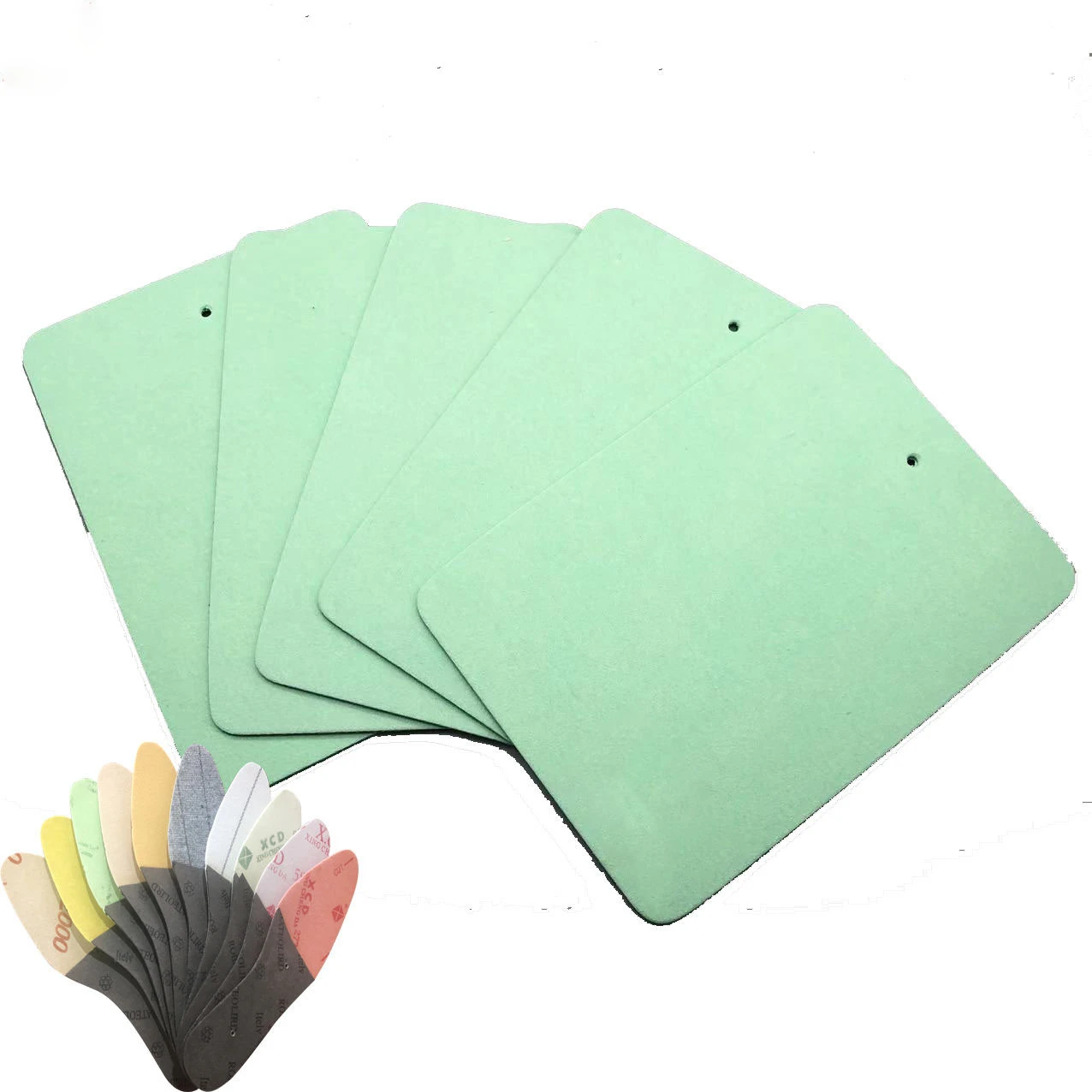
Bulk Insole Board Procurement: Ensuring Structural Integrity in Footwear
For high-volume footwear manufacturing, insole board procurement requires four measurable parameters: flex resistance index ≥1.9 (SATRA TM3, super grade ≥2.9), tensile strength ≥250 N/5 cm, water absorption ≤12%, and stitch-tear resistance per ISO 20876. This guide provides the core functions of insole boards in lasting and assembly, material variety comparisons (cellulose, non-woven, and shank board composites), performance criteria with pass/fail thresholds, and sourcing optimization strategies for high-volume shoe factories
Core Functions of Insole Boards in Lasting and Assembling
The insole board-also referred to as the lasting board, Strobel insole, or insole paper board-is the structural foundation of a shoe. Its contribution to shoe stability, structural integrity, and overall performance depends on the footwear construction method employed.
Primary functions in shoe manufacturing:
| Function | Description | Impact on Production |
|---|---|---|
| Upper attachment base | Provides a substrate onto which the upper is secured during lasting | Determines upper retention strength |
| Shape retention | Maintains shoe shape and prevents collapse or distortion | Directly affects finished shoe appearance |
| Shank reinforcement | Serves as the backbone for the shoe, often integrated with metallic or composite shank stiffeners | Critical for heel stability and arch support |
| Flex endurance | Must provide sufficient flexibility for the walking step while withstanding repeated flex cycles without damage | Affects shoe lifespan and warranty returns |
| Fastening retention | Holds stitches, clenched metal fastenings, and adhesives | Determines assembly line efficiency |
Construction-specific requirements:
| Shoe Construction Type | Insole Board Priority | Reason |
|---|---|---|
| Cement lasted (adhesive bonding) | High bonding strength, surface peel resistance | Upper is adhesively secured to insole |
| String lasted | High stitch-tear resistance | Upper is stitched directly to insole |
| Goodyear Welted | High density, internal bond strength | Insole must withstand repeated welting operations |
| Strobel construction | High flex endurance, consistent thickness | Insole is stitched to upper and lasted as a unit |
Supply chain impact: Insole board failure-cracking, delamination, or compression set-accounts for 8–12% of structural warranty claims in mass-produced footwear, according to industry data. Specifying the correct board grade for each construction type reduces this failure rate to <3%.
Material Varieties: Cellulose, Non-Woven, and Shank Board Composites
Insole boards are manufactured from three primary material families. Each offers distinct performance profiles and cost positions.
Cellulose Fiberboard
Cellulose insole boards are produced from wood pulp, cotton pulp, or recycled cellulose fibers bonded with eco-friendly latex or resin. These boards offer a balance of rigidity, breathability, and cost-effectiveness.
| Parameter | Cellulose Fiberboard Specification |
|---|---|
| Raw materials | Virgin or recycled cellulose fibers + latex/resin binder |
| Thickness range | 0.8–3.0 mm |
| Density | 0.70 ± 0.2 g/cm³ |
| Key advantages | Breathable, biodegradable, good air permeability |
| Key limitation | Susceptible to biodeterioration in high-humidity conditions |
| Typical applications | Formal footwear, ladies' high heels, cement-lasted constructions |
Grade differentiation: Cellulose boards are available in multiple grades-economy (T507) for fashion footwear, premium (T460) with enhanced moisture resistance for durable footwear, and high-density (Red Label/White Label) for Goodyear Welted and outdoor footwear.
Non-Woven Fiberboard
Non-woven insole boards are manufactured from synthetic fibers (typically polyester or rPET) bonded through needle-punching or chemical bonding processes. These boards provide excellent stiffness, dimensional stability, and water resistance.
| Parameter | Non-Woven Fiberboard Specification |
|---|---|
| Raw materials | Polyester fibers, rPET, or fiber blends |
| Thickness range | 0.8–3.0 mm (customizable) |
| Key advantages | High stiffness, water resistance, excellent conformability |
| Key limitation | Lower breathability than cellulose |
| Typical applications | Sports shoes, work boots, Strobel construction, midsole reinforcement |
Composite options: Non-woven boards can be laminated with EVA foam (0.4–3.0 mm thickness) to combine structural support with cushioning. Lamination with polyurethane sheets further enhances durability and antibacterial performance.
Shank Board Composites
Shank boards are specialized insole components that integrate a rigid shank stiffener-typically steel, wood, or composite-into the insole structure.
| Parameter | Shank Board Composite Specification |
|---|---|
| Core materials | Steel, wood, bamboo, or rigid composite |
| Coverage area | Typically extends over no more than 60% of insole area (heel-to-arch) |
| Key advantages | Maximum structural rigidity, arch support, heel stability |
| Key limitation | Adds weight and cost |
| Typical applications | Work boots, Goodyear Welted footwear, high-heel shoes |
Material selection by heel height and application:
| Application | Recommended Insole Material | Rationale |
|---|---|---|
| Ladies' fashion (heel >75 mm) | Virgin cellulose (high-density) | Maximum rigidity for high-heel stability |
| Men's dress shoes | Cellulose fiberboard (medium density) | Balance of comfort and structure |
| Athletic/running shoes | Non-woven + EVA composite | Lightweight, flex endurance, cushioning |
| Work/safety boots | Non-woven + steel shank composite | Maximum structural integrity |
| Children's shoes | Cellulose (lightweight, non-toxic) | Safety and comfort |
💡 Sourcing Tip for Bulk Buyers – Match the insole board material to your shoe construction method and end-use application. Over-specifying (e.g., using shank boards for casual loafers) adds unnecessary cost; under-specifying (e.g., using economy cellulose for work boots) increases warranty returns. Solamni offers cellulose, non-woven, and EVA-laminated insole boards with customizable thickness and grammage. View insole board specifications →
Performance Criteria: Moisture Absorption, Flex Cycle Thresholds, and Stitch-Tear Resistance
Specify these three performance metrics in your purchase order. Generic "high-quality" claims are insufficient.
Flex Resistance (SATRA TM3 Flexing Index)
The most widely used method for assessing the flex endurance of an insole board is the SATRA TM3 Flexing Index. In this test, a narrow strip of the board is suspended by one end from a clamp with a 2 kg weight hung from its lower end. The upper clamp is rotated back and forth through 180° (±90° to vertical) until failure occurs. The number of flexing cycles to failure is used to calculate the flexing index (the base 10 logarithm of the number of flexes).
| Grade | SATRA TM3 Flexing Index | Interpretation |
|---|---|---|
| Standard grade | ≥1.9 (minimum 80 flexes to failure) | Suitable for light to medium use |
| Super grade | ≥2.9 (minimum 800 flexes to failure) | Suitable for heavy use, sports footwear |
SATRA guideline recommendations: Most cellulose insole boards tested using SATRA TM3 were found to be suitable for "medium use"-such as men's and women's fashion and everyday footwear. Boards with lower flex indices are suitable only for lighter, occasion footwear.
Heat exposure consideration: Heat applied during direct-moulded construction or vulcanisation can cause some insole materials to become more brittle and vulnerable to flex endurance failure. For footwear manufactured using these processes, request flex testing on samples that have been subjected to the temperatures encountered in your production process.
Moisture Absorption and Desorption (ISO 20344)
Insole boards must manage moisture from the foot to maintain comfort and prevent material degradation. The ISO 20344 standard specifies minimum requirements.
| Parameter | Test Method | Requirement | Measurement |
|---|---|---|---|
| Water absorption | EN ISO 20344:2004, 7.2 | ≥70 mg/cm² | Maximum water absorbed per unit area |
| Water desorption | EN ISO 20344:2004, 7.2 | ≥80% of absorbed water | Percentage of absorbed water released |
| Water absorption (cellulose board) | SATRA/ISO methods | ≤12% | Percentage weight gain |
Performance implication: Insole boards with water absorption >12% (cellulose boards) or <70 mg/cm² (ISO 20344) will retain moisture, leading to foot discomfort, odor development, and accelerated material degradation. For high-humidity environments or extended-wear footwear, specify boards with enhanced moisture resistance.
Tensile Strength and Stitch-Tear Resistance
Tensile strength measures the board's resistance to breaking under tension. Stitch-tear resistance evaluates the ability of the insole to hold stitches or clenched metal fastenings.
| Parameter | Test Method | Requirement |
|---|---|---|
| Tensile strength | ISO 3376 or in-house method | ≥250 N/5 cm |
| Peel strength | SATRA TM101 or equivalent | ≥0.3 kN/m |
| Stitch-tear resistance | ISO 20876:2018 | Pass criteria per standard |
| Surface peel strength | SATRA TM101 | Force to peel surface from substrate |
Insole board vs. other materials (comparative tensile):
| Material | Tensile Strength |
|---|---|
| Insole fiberboard | ≥250 N/5 cm |
| Leather (insole grade) | 6.0–17 MPa |
| Cellulose insole board | 0.5 kN/cm² (after submersion) |
Critical note for sourcing: Stitch-tear resistance is particularly important for string-lasted and Goodyear Welted constructions where the upper is mechanically fastened to the insole. ISO 20876:2018 has become accepted as a general quality criterion for insole materials, even where attachment is by means of adhesives.
SATRA test methods for insole boards:
| Test Method | Purpose | Applicable Materials |
|---|---|---|
| SATRA TM3 | Flex endurance (Flexing Index) | Cellulose, non-woven, leatherboard |
| SATRA TM101 | Surface peel strength | Fibreboard, non-woven |
| SATRA TM2 | Tensile properties | Insole materials |
| SATRA scuff test | Resistance to mild wet abrasion | Fibreboard insoles |
Sourcing Optimization for High-Volume Shoe Factories
Total Cost of Ownership (TCO) Analysis
| Cost Factor | Economy Cellulose | Premium Non-Woven | Shank Composite |
|---|---|---|---|
| Material cost per sheet (FOB China) | Baseline | +20–35% | +80–150% |
| Cutting yield (die-cutting) | 78–82% | 82–88% | 70–75% |
| Assembly line speed | Standard | +5–8% | -5–10% (heavier material) |
| Warranty return rate (first 12 months) | 5–8% | 1.5–3% | 0.5–1.5% |
| Lifecycle cost per shoe | Baseline | +2–5% | +15–25% |
Sourcing decision matrix:
| Shoe Type | Recommended Insole Board | Rationale |
|---|---|---|
| High-volume fashion sneakers | Non-woven (standard grade) | Balance of cost and performance |
| Premium athletic footwear | Non-woven + EVA composite | Cushioning + structural support |
| Work boots (safety) | Non-woven + steel shank | Maximum structural integrity |
| Ladies' high heels | Cellulose (high-density) | Rigidity for heel stability |
| Children's shoes | Cellulose (lightweight) | Safety and comfort |
| Outdoor/hiking boots | Premium non-woven or shank composite | Durability on rough terrain |
MOQ and Lead Time Benchmarks
| Parameter | Cellulose Board | Non-Woven Board | Shank Composite |
|---|---|---|---|
| Typical MOQ | 2,000–5,000 sheets | 3,000–5,000 sheets | 1,000–2,000 sheets |
| Standard sheet size | 91.4×152.4 cm / 91.4×182.8 cm | Customizable | Customizable |
| Thickness range | 0.8–3.0 mm | 0.8–3.0 mm | 1.0–3.0 mm + shank |
| Lead time (FOB China) | 10–15 days | 12–18 days | 15–25 days |
| Custom thickness MOQ | 1,000 sheets | 1,000 sheets | 500 sheets |
Bulk ordering recommendation: For factories consuming >50,000 pairs/month, consolidate insole board sourcing with other shoe materials (PU leather, mesh, TPU film) from a single supplier to reduce logistics costs and simplify quality management.
Incoming Inspection Checklist
Sample per ANSI/ASQ Z1.4 Level II, AQL 1.5 (major) / 4.0 (minor).
| Parameter | Test Method | Acceptance Criterion | Reject Threshold |
|---|---|---|---|
| Thickness | Micrometer (10 points/sheet) | Nominal ±0.1 mm | >±0.2 mm |
| Flexing index | SATRA TM3 | ≥1.9 (standard) / ≥2.9 (super) | <1.5 |
| Water absorption | ISO 20344 / in-house | ≤12% | >15% |
| Tensile strength | ISO 3376 | ≥250 N/5 cm | <220 N/5 cm |
| Stitch-tear resistance | ISO 20876:2018 | Pass per standard | Any failure |
| Surface peel strength | SATRA TM101 | ≥0.3 kN/m | <0.2 kN/m |
| Dimensional stability | Visual + measurement | No warping, curling, or delamination | Any visible defect |
Storage and Handling Requirements
| Parameter | Specification | Rationale |
|---|---|---|
| Temperature | 15–30°C | Prevents thermal degradation |
| Relative humidity | 40–60% | Cellulose boards absorb moisture above 60% RH |
| Stacking | Max 10 pallets high | Prevents compression damage |
| Shelf life | 12–24 months (cellulose), 24+ months (non-woven) | Cellulose is susceptible to biodeterioration |
FAQ

01.What is the minimum order quantity for bulk insole board from a Chinese supplier?
02.How do I verify if an insole board will withstand repeated flexing in athletic shoes?
03.What is the typical lead time for a 20 ft container of custom insole board?
04.Can insole boards be laminated with EVA foam for additional cushioning?
05.How do I request free insole board samples for lab testing?
Factory Assistance – Download our insole board selection matrix (covering 12 shoe types and 8 construction methods) or request a sample pack for destructive lab testing. Contact Solamni insole board technical team →
Solamni New Material– Insole board manufacturer with annual capacity: 5 million sheets. Material options: cellulose fiberboard, non-woven fiberboard, and EVA-laminated composites. Thickness: 0.8–3.0 mm. Standard sheet sizes: 91.4×152.4 cm / 91.4×182.8 cm. Certifications: ISO 9001:2025, REACH, RoHS. Warehouses: Fujian (China), Ho Chi Minh City (Vietnam). Free sample swatchbook shipped within 24 hours.