

As a seasoned insole board supplier, I've witnessed firsthand the intricate dance between design and functionality in the world of footwear. Insole boards are not just simple components; they are the unsung heroes that provide support, comfort, and structure to every step we take. In this blog, I'll delve into the design concepts behind insole boards, exploring the key factors that influence their creation and how they contribute to the overall performance of shoes.
Ergonomics: The Foundation of Comfort
At the core of insole board design is ergonomics, the science of designing products to fit the human body's natural movements and contours. A well-designed insole board should mimic the shape of the foot, providing tailored support to different areas such as the arch, heel, and ball. This proper alignment reduces stress on the foot, minimizes fatigue, and helps prevent common foot problems like plantar fasciitis and bunions.
For example, arch support is crucial for maintaining the foot's natural arch shape. Insoles with built-in arch support can distribute weight evenly across the foot, reducing pressure on the arch and preventing overpronation or supination. Similarly, heel cups are designed to cradle the heel, providing shock absorption and stability during walking or running. By incorporating these ergonomic features, insole boards can enhance the comfort and performance of shoes, making them more suitable for extended wear.
Material Selection: Balancing Durability and Comfort
The choice of materials plays a significant role in the design of insole boards. Different materials offer varying levels of durability, flexibility, and comfort, and the selection depends on the intended use of the shoes. Some common materials used in insole board manufacturing include cardboard, fiberboard, nonwoven fabrics, and EVA foam.
Cardboard and fiberboard are traditional materials known for their stiffness and affordability. They are often used in casual and low-cost shoes, providing basic support and structure. However, they may lack the flexibility and comfort required for more active or high-performance footwear.
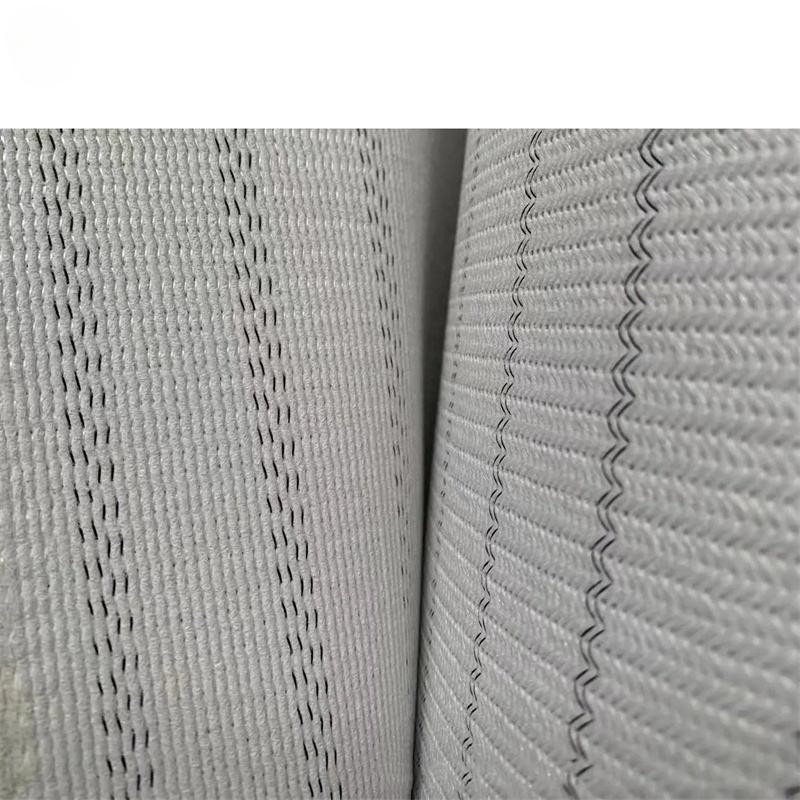
Nonwoven fabrics, on the other hand, are lightweight, breathable, and flexible. They offer excellent comfort and moisture-wicking properties, making them ideal for sports and athletic shoes. Nonwoven insole boards can be customized to meet specific design requirements, such as thickness, density, and elasticity. For instance, Nonwoven Insole Board with Eva combines the softness of nonwoven fabric with the shock absorption of EVA foam, providing a comfortable and supportive cushion for the foot.
EVA foam is another popular material for insole boards due to its excellent shock absorption and cushioning properties. It is lightweight, flexible, and can be molded into various shapes and sizes. EVA insole boards are commonly used in running shoes, hiking boots, and other high-impact footwear, providing superior comfort and protection for the feet.
Design Customization: Meeting Diverse Needs
In addition to ergonomics and material selection, design customization is another important aspect of insole board design. Every shoe style and application has unique requirements, and insole boards can be tailored to meet these specific needs. Customization options include shape, thickness, density, and surface texture.
Shape customization allows insole boards to be designed to fit the exact contours of different shoe styles, such as sneakers, dress shoes, and boots. This ensures a perfect fit and enhances the overall comfort and performance of the shoes. Thickness and density can also be adjusted to provide varying levels of support and cushioning, depending on the intended use of the shoes. For example, a thicker and denser insole board may be suitable for heavy-duty work boots, while a thinner and more flexible insole board may be preferred for casual shoes.
Surface texture is another important consideration in insole board design. A textured surface can provide better grip and traction, reducing the risk of slipping and improving safety. It can also enhance the comfort of the shoes by reducing friction between the foot and the insole board. Some insole boards feature anti-slip patterns or raised dots on the surface to improve grip and traction.
Environmental Sustainability: A Growing Concern
In recent years, environmental sustainability has become an increasingly important factor in insole board design. Consumers are becoming more conscious of the environmental impact of their purchases, and they are looking for products that are made from sustainable materials and produced using eco-friendly processes.
As an insole board supplier, we are committed to meeting these environmental challenges by offering sustainable insole board solutions. We use recycled and biodegradable materials whenever possible, reducing the use of virgin resources and minimizing waste. For example, our Non Woven Insole Board is made from recycled nonwoven fabric, which is not only environmentally friendly but also offers excellent comfort and performance.
In addition to using sustainable materials, we also focus on reducing our carbon footprint by optimizing our manufacturing processes. We invest in energy-efficient equipment and technologies, and we work closely with our suppliers to ensure that they adhere to strict environmental standards. By taking these steps, we can minimize the environmental impact of our insole board production and contribute to a more sustainable future.

Conclusion: The Future of Insole Board Design
The design of insole boards is a complex and ever-evolving field, driven by the need to provide comfort, support, and performance in footwear. By incorporating ergonomic principles, selecting the right materials, customizing the design, and considering environmental sustainability, insole board suppliers can create products that meet the diverse needs of consumers.
As a leading insole board supplier, we are constantly exploring new technologies and materials to improve the design and performance of our products. We work closely with our customers to understand their specific requirements and develop customized solutions that meet their needs. Whether you are a shoe manufacturer looking for high-quality insole boards or a consumer looking for comfortable and supportive shoes, we are here to help.
If you are interested in learning more about our insole board products or would like to discuss your specific requirements, please feel free to contact us. We look forward to working with you to create the perfect insole board solution for your needs.