

Floor leather is a popular choice for flooring due to its durability, versatility, and aesthetic appeal. As a floor leather supplier, I understand the importance of maintaining its pristine condition. Stains can detract from the beauty of your floor leather, but with the right techniques, you can effectively remove them and keep your floors looking their best. In this blog post, I'll share some expert tips on how to remove stains from floor leather, ensuring that your investment remains in top-notch condition.
Understanding Floor Leather and Stains
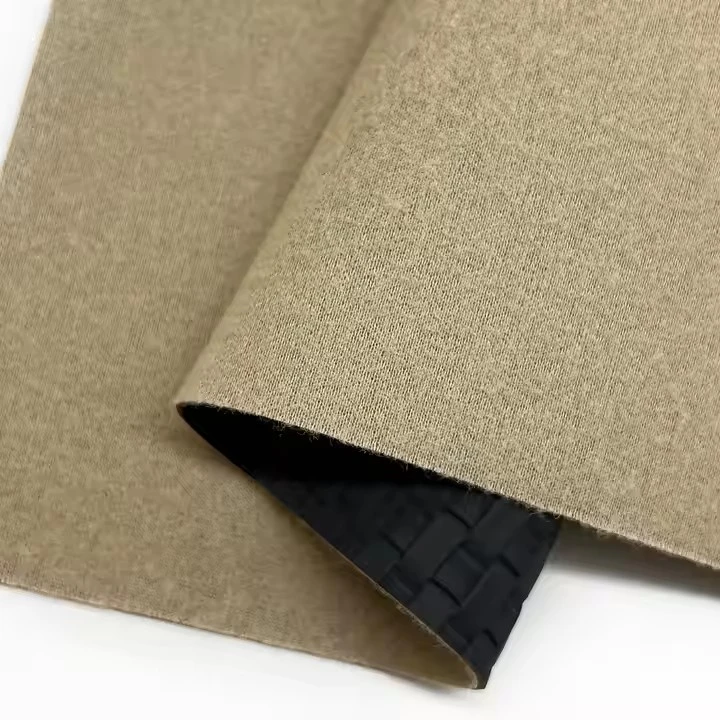
Before diving into stain removal techniques, it's essential to understand the nature of floor leather and the types of stains it may encounter. Floor leather is typically made from PVC (polyvinyl chloride) or other synthetic materials, which are known for their resistance to wear and tear. However, they can still be susceptible to stains from various sources, including food, beverages, dirt, and chemicals.
Common types of stains on floor leather include:
- Organic stains: These are caused by substances such as food, drinks, and bodily fluids. Examples include coffee, wine, tomato sauce, and urine.
- Inorganic stains: These are typically caused by dirt, dust, and other non-organic materials. They can also include stains from chemicals such as ink, paint, and grease.
- Pet stains: If you have pets, you may encounter stains from urine, feces, and vomit. These stains can be particularly challenging to remove due to their strong odor and potential for bacteria growth.
General Stain Removal Tips
Regardless of the type of stain, there are some general tips that can help you effectively remove stains from floor leather:
- Act quickly: The longer a stain sits on the floor leather, the more difficult it will be to remove. As soon as you notice a stain, try to clean it up as soon as possible.
- Test a small area: Before applying any cleaning solution to the entire stain, test it on a small, inconspicuous area of the floor leather to ensure that it doesn't cause any damage or discoloration.
- Use gentle cleaning solutions: Harsh chemicals can damage the floor leather, so it's best to use gentle, natural cleaning solutions whenever possible. Avoid using abrasive cleaners, scrub brushes, or steel wool, as these can scratch the surface of the floor leather.
- Blot, don't rub: When cleaning a stain, use a clean, absorbent cloth or paper towel to blot the stain gently. Rubbing the stain can spread it and make it more difficult to remove.
- Rinse thoroughly: After cleaning the stain, rinse the area thoroughly with clean water to remove any remaining cleaning solution. This will help prevent any residue from building up on the floor leather.
Specific Stain Removal Techniques
Now that you understand the general tips for stain removal, let's take a look at some specific techniques for removing different types of stains from floor leather:
Organic Stains
- Food and beverage stains: For food and beverage stains, start by blotting up as much of the spill as possible with a clean, absorbent cloth or paper towel. Then, mix a solution of mild dish soap and warm water and use a clean cloth to gently blot the stain. Rinse the area thoroughly with clean water and dry it with a clean towel.
- Blood stains: If you have a blood stain on your floor leather, start by blotting up as much of the blood as possible with a clean, absorbent cloth or paper towel. Then, mix a solution of hydrogen peroxide and water (1 part hydrogen peroxide to 2 parts water) and use a clean cloth to gently blot the stain. Rinse the area thoroughly with clean water and dry it with a clean towel.
- Urine stains: Urine stains can be particularly challenging to remove due to their strong odor and potential for bacteria growth. Start by blotting up as much of the urine as possible with a clean, absorbent cloth or paper towel. Then, mix a solution of white vinegar and water (1 part white vinegar to 1 part water) and use a clean cloth to gently blot the stain. Rinse the area thoroughly with clean water and dry it with a clean towel. If the odor persists, you can sprinkle baking soda on the area and let it sit for a few hours before vacuuming it up.
Inorganic Stains
- Dirt and dust stains: For dirt and dust stains, start by sweeping or vacuuming the area to remove any loose dirt and debris. Then, mix a solution of mild dish soap and warm water and use a clean cloth to gently wipe the area. Rinse the area thoroughly with clean water and dry it with a clean towel.
- Ink stains: If you have an ink stain on your floor leather, start by blotting up as much of the ink as possible with a clean, absorbent cloth or paper towel. Then, mix a solution of rubbing alcohol and water (1 part rubbing alcohol to 2 parts water) and use a clean cloth to gently blot the stain. Rinse the area thoroughly with clean water and dry it with a clean towel.
- Paint stains: For paint stains, start by scraping off as much of the paint as possible with a plastic scraper or credit card. Then, mix a solution of mild dish soap and warm water and use a clean cloth to gently wipe the area. If the stain persists, you can try using a paint remover specifically designed for use on floor leather. Follow the instructions on the paint remover carefully and test it on a small, inconspicuous area of the floor leather first.
Pet Stains
- Urine stains: As mentioned earlier, urine stains can be particularly challenging to remove due to their strong odor and potential for bacteria growth. Start by blotting up as much of the urine as possible with a clean, absorbent cloth or paper towel. Then, mix a solution of white vinegar and water (1 part white vinegar to 1 part water) and use a clean cloth to gently blot the stain. Rinse the area thoroughly with clean water and dry it with a clean towel. If the odor persists, you can sprinkle baking soda on the area and let it sit for a few hours before vacuuming it up.
- Feces stains: For feces stains, start by removing as much of the feces as possible with a plastic scraper or paper towel. Then, mix a solution of mild dish soap and warm water and use a clean cloth to gently wipe the area. Rinse the area thoroughly with clean water and dry it with a clean towel. If the stain persists, you can try using a pet stain remover specifically designed for use on floor leather. Follow the instructions on the pet stain remover carefully and test it on a small, inconspicuous area of the floor leather first.
- Vomit stains: If you have a vomit stain on your floor leather, start by removing as much of the vomit as possible with a plastic scraper or paper towel. Then, mix a solution of mild dish soap and warm water and use a clean cloth to gently wipe the area. Rinse the area thoroughly with clean water and dry it with a clean towel. If the odor persists, you can sprinkle baking soda on the area and let it sit for a few hours before vacuuming it up.
Preventing Stains on Floor Leather
In addition to knowing how to remove stains from floor leather, it's also important to take steps to prevent stains from occurring in the first place. Here are some tips to help you keep your floor leather looking its best:
- Use doormats: Place doormats at all entrances to your home to help trap dirt and debris before it reaches your floor leather.
- Clean up spills immediately: As soon as you notice a spill, clean it up as soon as possible to prevent it from staining the floor leather.
- Avoid wearing shoes on the floor leather: Shoes can track in dirt, mud, and other debris, which can stain the floor leather. Encourage your guests to remove their shoes before entering your home.
- Use furniture pads: Place furniture pads under the legs of your furniture to prevent scratches and stains on the floor leather.
- Regularly clean and maintain your floor leather: Regular cleaning and maintenance can help prevent stains from building up on your floor leather. Vacuum or sweep your floor leather regularly to remove dirt and debris, and clean it with a mild cleaning solution as needed.
Conclusion
Removing stains from floor leather doesn't have to be a daunting task. By following the tips and techniques outlined in this blog post, you can effectively remove stains from your floor leather and keep it looking its best. Remember to act quickly, test a small area before applying any cleaning solution, use gentle cleaning solutions, blot instead of rub, and rinse thoroughly. With a little care and maintenance, your floor leather will continue to look beautiful for years to come.
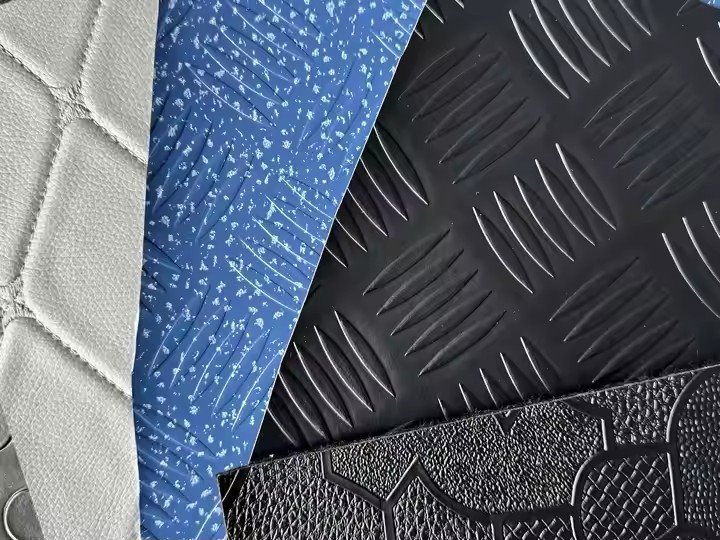
If you're in the market for high-quality floor leather, look no further! As a leading floor leather supplier, we offer a wide range of Leather Floor Sofa, Leather Flooring for Home, and Leather Floor Mats for Car options to suit your needs and style. Our floor leather is durable, easy to clean, and available in a variety of colors and patterns. Contact us today to learn more about our products and how we can help you transform your space with beautiful, stain-resistant floor leather.
References
- "How to Clean and Maintain PVC Floor Leather." Home Decor & Design Ideas. Accessed [Date].
- "Stain Removal Guide for Floor Leather." Flooring World. Accessed [Date].
- "Tips for Keeping Your Floor Leather Looking New." Interior Design Magazine. Accessed [Date].