

Hey there! As an insole board supplier, I've been getting a lot of questions lately about the weight of insole boards. It's a pretty important factor, whether you're a shoe manufacturer, a retailer, or just someone who's really into shoes. So, I thought I'd take some time to break it down and give you all the info you need.
First off, let's talk about why the weight of an insole board matters. For shoe manufacturers, it can have a big impact on the overall weight of the shoe. Lighter insole boards can make shoes more comfortable to wear, especially for people who are on their feet all day. They can also reduce shipping costs, which is a plus for both the manufacturer and the retailer.
On the other hand, heavier insole boards can provide more support and durability. This is especially important for shoes that are used for sports or other high-impact activities. A heavier insole board can help absorb shock and prevent injuries.
So, what affects the weight of an insole board? There are a few factors to consider.
Material
The material of the insole board is one of the biggest factors that determines its weight. Different materials have different densities, which means they weigh different amounts per unit volume.
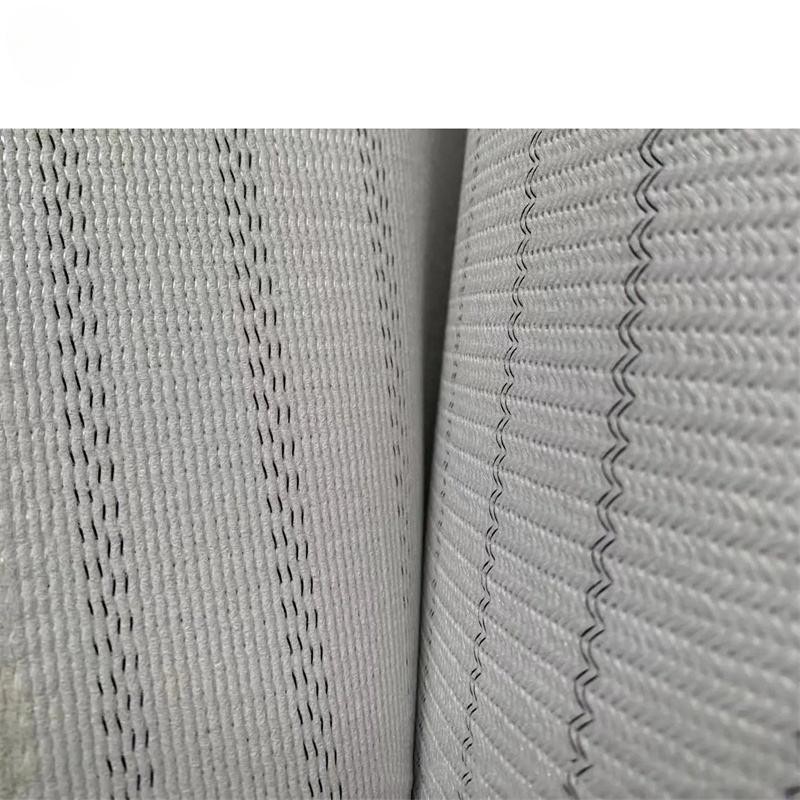
- Non-woven materials: Non Woven Insole Board are usually quite lightweight. Non-woven fabrics are made by bonding fibers together, rather than weaving them. This process results in a material that is porous and less dense, making it lighter. Non-woven insole boards are great for casual shoes and sandals, where weight and breathability are important.
- EVA (Ethylene-Vinyl Acetate): EVA is a popular material for insole boards because it's lightweight, flexible, and has good shock absorption properties. Nonwoven Insole Board with Eva combines the benefits of non-woven fabric and EVA, providing a lightweight yet supportive insole. EVA can be molded into different shapes and thicknesses, which allows for customization based on the specific needs of the shoe.
- Cardboard: Cardboard insole boards are heavier than non-woven and EVA materials. They are often used in more traditional or formal shoes, where a stiffer and more structured insole is required. Cardboard can provide good support, but it may not be as comfortable for long periods of wear as lighter materials.
Thickness
The thickness of the insole board also plays a role in its weight. Generally, the thicker the insole board, the heavier it will be. However, the relationship between thickness and weight is not always linear. Some materials may be able to provide the same level of support with a thinner profile, which can help reduce weight.
For example, a thick cardboard insole board may be very heavy, while a thinner EVA insole board can provide similar support with less weight. When choosing the thickness of an insole board, it's important to consider the intended use of the shoe and the balance between support and weight.
Size
The size of the insole board is another factor that affects its weight. Larger insole boards will naturally weigh more than smaller ones, as they have more material. This is something to keep in mind when designing shoes for different sizes and styles.
In some cases, shoe manufacturers may use different materials or thicknesses for different sizes of insole boards to maintain a consistent weight across the shoe range. For example, they may use a thinner EVA insole board for larger shoe sizes to offset the additional weight of the larger board.
Now that we've covered the factors that affect the weight of an insole board, let's talk about how to choose the right weight for your needs.
Consider the type of shoe
The type of shoe you're making or selling will have a big impact on the ideal weight of the insole board.
- Casual shoes: For casual shoes like sneakers, loafers, and sandals, a lightweight insole board is usually preferred. This will make the shoes more comfortable to wear for extended periods of time. Nonwoven Insole Board with Eva or non-woven insole boards are great options for these types of shoes.
- Sports shoes: Sports shoes require a balance between support and weight. A heavier insole board may be needed to provide the necessary support for high-impact activities, but it should still be lightweight enough to allow for quick movements. EVA insole boards are often used in sports shoes because they offer good shock absorption and support without adding too much weight.
- Formal shoes: Formal shoes like dress shoes and Oxfords typically require a more structured and supportive insole board. Cardboard insole boards are commonly used in these types of shoes, as they can provide the stiffness and support needed for a professional look. However, some manufacturers may also use a combination of materials, such as a thin layer of EVA on top of a cardboard base, to add a bit of comfort without sacrificing too much support.
Think about the target market
The target market for your shoes is another important consideration when choosing the weight of the insole board. Different customers have different preferences and needs when it comes to shoe comfort and performance.

- Athletes and active individuals: Athletes and people who are very active will likely prefer a lightweight and supportive insole board. They need shoes that can keep up with their movements and provide the necessary cushioning and support.
- Office workers and people on their feet all day: Office workers and people who spend a lot of time on their feet will appreciate a comfortable and lightweight insole board. Shoes with a lighter insole board can help reduce fatigue and make it easier to stand and walk for long periods of time.
- Fashion-conscious consumers: Fashion-conscious consumers may be more concerned with the look and style of the shoe than its weight. However, they still want shoes that are comfortable to wear. In this case, a lightweight insole board that doesn't compromise on style can be a great selling point.
As an insole board supplier, I understand that finding the right weight for your insole boards is crucial. That's why we offer a wide range of insole boards made from different materials, thicknesses, and sizes. Whether you're looking for a lightweight non-woven insole board for casual shoes or a more supportive cardboard insole board for formal shoes, we've got you covered.
If you're interested in learning more about our Insole Board for Shoes or have any questions about the weight and other properties of our products, don't hesitate to reach out. We're here to help you find the perfect insole board for your needs and ensure that your shoes are comfortable, supportive, and stylish.
Let's start a conversation and see how we can work together to take your shoe business to the next level.
References
- "Materials for Footwear Insoles" - Journal of Footwear Science
- "The Impact of Insole Weight on Shoe Comfort and Performance" - International Journal of Sports Medicine