

As a supplier of Insole Board Paper, I often encounter inquiries from clients about various properties of our products. One of the most frequently asked questions is about the folding resistance of insole board paper. In this blog post, I'll delve into what folding resistance means, why it's crucial for insole board paper, how it's measured, and factors that can affect it.
What is Folding Resistance?
Folding resistance, also known as folding endurance, refers to the ability of a material to withstand repeated folding without breaking or deteriorating. For insole board paper, this property is of utmost importance as insoles are constantly subjected to bending and folding during normal shoe usage. Every time a person takes a step, the insole inside the shoe is flexed, and over time, poor folding resistance can lead to the insole cracking, splitting, or losing its shape.
Imagine wearing a pair of shoes with insoles made from paper that has low folding resistance. After just a few days of regular wear, the insole might start to break down, causing discomfort and potentially affecting the overall performance of the shoe. On the other hand, insoles made from paper with high folding resistance can maintain their integrity for a much longer time, providing consistent support and comfort to the wearer.
Why is Folding Resistance Crucial for Insole Board Paper?
Comfort
Insoles are designed to enhance the comfort of shoes. When an insole can withstand repeated folding, it maintains its shape and structure, providing a stable surface for the foot. This helps to distribute the body's weight evenly across the foot, reducing pressure points and preventing discomfort. For example, in high - heeled shoes, a well - made insole with good folding resistance can help alleviate the stress on the ball of the foot, making the shoes more wearable for extended periods.
Durability
Shoes are an investment, and consumers expect them to last. Insoles are an integral part of the shoe, and their durability directly impacts the lifespan of the footwear. Insole board paper with high folding resistance ensures that the insoles can endure the rigors of daily use, such as walking, running, and standing. This means that the shoes can be worn for a longer time without the need to replace the insoles frequently, which is not only cost - effective for the consumer but also reflects positively on the brand's quality.
Performance
In sports shoes, insole performance is crucial. A high - quality insole with good folding resistance can provide the necessary support and flexibility for different types of physical activities. For instance, in running shoes, the insole needs to flex with each stride and return to its original shape quickly. If the folding resistance is poor, the insole may not be able to keep up with the rapid movements, leading to a decrease in performance and an increased risk of injury.
How is Folding Resistance Measured?
There are several standard methods for measuring the folding resistance of paper materials, and the most commonly used one is the MIT folding endurance tester. This tester works by clamping a strip of the insole board paper between two jaws and then repeatedly folding the paper back and forth at a specific angle and under a defined load. The number of folds the paper can withstand before breaking is recorded as its folding endurance.
The test conditions, such as the folding angle, load, and speed, are standardized to ensure consistent and comparable results. For example, in a typical MIT test, the folding angle might be set at 135 degrees, and the load could be a specific weight depending on the type of paper being tested. The test is usually conducted until the paper breaks or until a pre - determined number of folds is reached.
Another method is the Taber folding endurance test, which uses a different mechanism but also measures the number of folds a paper sample can endure. This test is suitable for a wider range of paper thicknesses and can provide more accurate results for some types of insole board paper.
Factors Affecting Folding Resistance
Fiber Composition
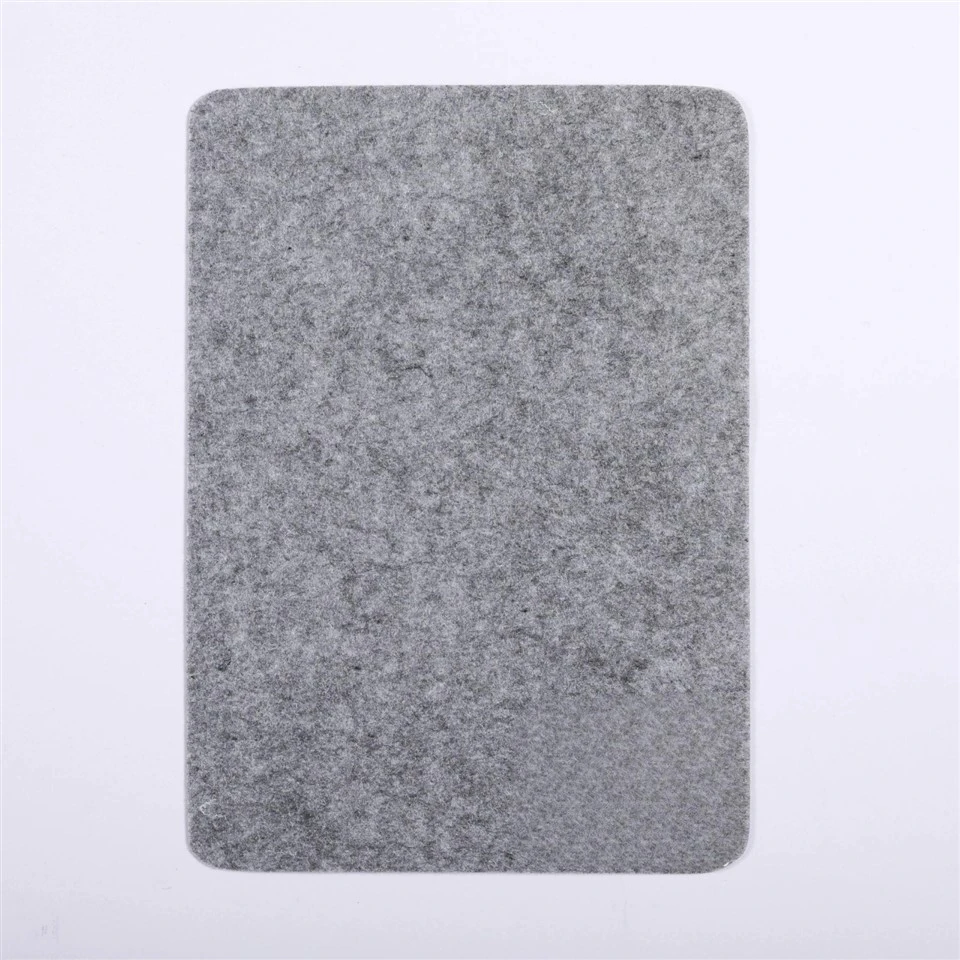
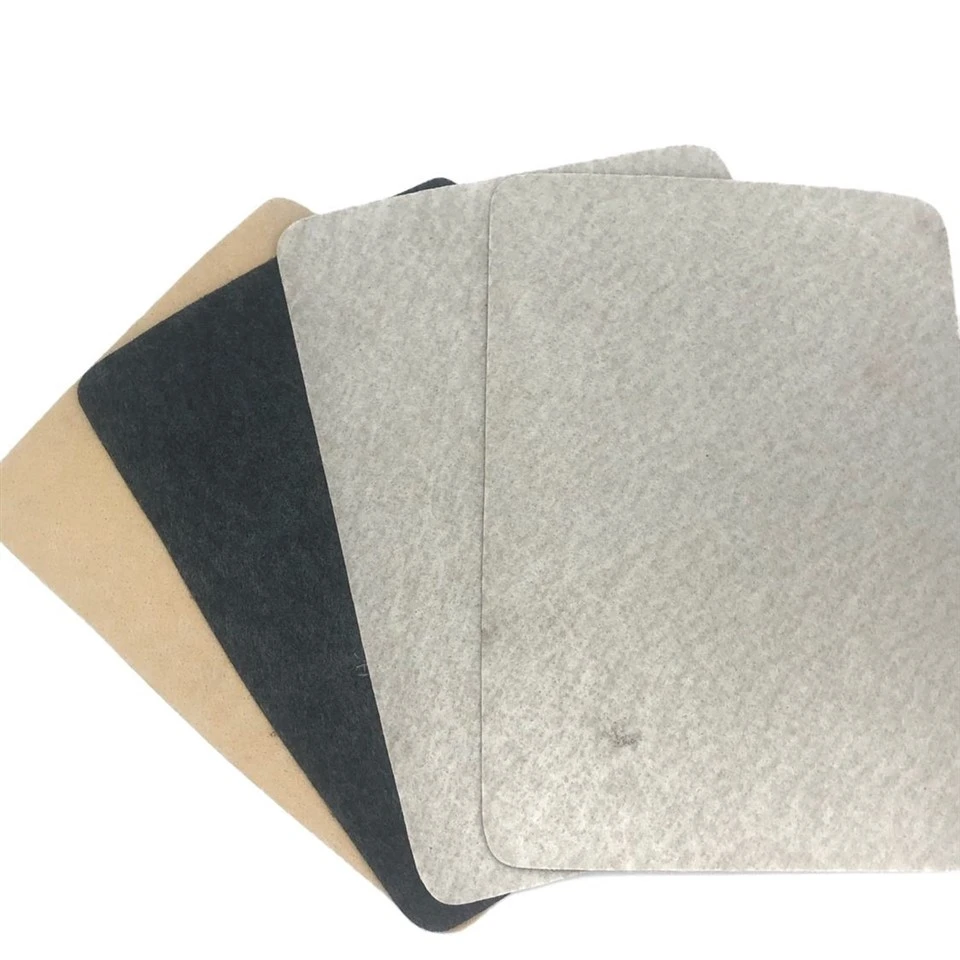
The type and quality of fibers used in the insole board paper play a significant role in its folding resistance. Natural fibers such as cotton and linen generally offer good strength and flexibility, which contribute to high folding resistance. Synthetic fibers, on the other hand, can also be engineered to have excellent folding properties. For example, some non - woven insole board papers are made from a blend of synthetic fibers that are designed to be strong and resilient. You can learn more about Nonwoven Insole Board for Shoe and Non Woven Insole Board on our website.
Paper Thickness
Thicker insole board papers tend to have higher folding resistance compared to thinner ones. However, it's a balance, as overly thick papers may make the insoles too rigid and uncomfortable. The ideal thickness depends on the specific application of the insole. For example, insoles for casual shoes may have a different thickness requirement than those for sports shoes.
Manufacturing Process
The way the insole board paper is manufactured can also affect its folding resistance. Processes such as calendering, which involves passing the paper through a series of rollers to smooth and compress it, can improve the paper's density and strength, thereby enhancing its folding properties. Additionally, the use of adhesives and coatings during the manufacturing process can also impact the folding resistance. A well - applied adhesive can bond the fibers together more effectively, increasing the paper's overall strength.
Environmental Conditions
The environment in which the insole board paper is used can have an impact on its folding resistance. High humidity can cause the paper to absorb moisture, making it softer and more prone to damage during folding. On the other hand, extremely dry conditions can make the paper brittle, reducing its folding endurance. Therefore, it's important to consider the environmental factors when designing and using insole board paper.
Our Commitment as an Insole Board Paper Supplier
At our company, we understand the importance of folding resistance in insole board paper. We use high - quality fibers and advanced manufacturing processes to ensure that our products have excellent folding properties. Our R & D team is constantly working on improving the folding resistance of our insole board papers by experimenting with different fiber blends and manufacturing techniques.
We also conduct rigorous quality control tests using industry - standard methods to ensure that every batch of our insole board paper meets or exceeds the required folding resistance standards. Whether you are a shoe manufacturer looking for Insole Board Paper for casual shoes, sports shoes, or high - end fashion footwear, we can provide you with the right product that offers optimal folding resistance and other performance properties.
If you are interested in our insole board paper products or have any questions about folding resistance or other properties, we encourage you to contact us for a detailed discussion. We are more than happy to work with you to find the best solutions for your specific needs.
References
- ASTM D2176 - 16, Standard Test Method for Folding Endurance of Paper (MIT Method).
- TAPPI T511 om - 18, Folding Endurance of Paper (Taber Type Tester).
- "Handbook of Paper and Paperboard Packaging Technology" by Wilmer A. Miller.