

Hey there! I'm a supplier of insole boards, and today I wanna chat about something super important in our biz – the elasticity of an insole board.
So, what exactly is the elasticity of an insole board? Elasticity, in simple terms, is how well an insole board can stretch and then go back to its original shape. You know when you step on a spring, and it compresses but then bounces right back? That's kinda what we're talking about with insole boards.
Let's dig a bit deeper. Elasticity is measured by how much the insole board can deform under a certain amount of force and then return to its initial state. This property is crucial because it directly affects how comfortable a shoe is. When you walk or run, your feet put pressure on the insole board. If the board has good elasticity, it can absorb that pressure and provide a cushioning effect. This means less stress on your feet, knees, and even your back.
Think about it like this: if you're wearing shoes with an inelastic insole board, every step you take is like hitting a hard surface. Over time, this can lead to discomfort, pain, and even long - term foot problems. On the other hand, a highly elastic insole board acts like a shock absorber, making your walking or running experience much more pleasant.
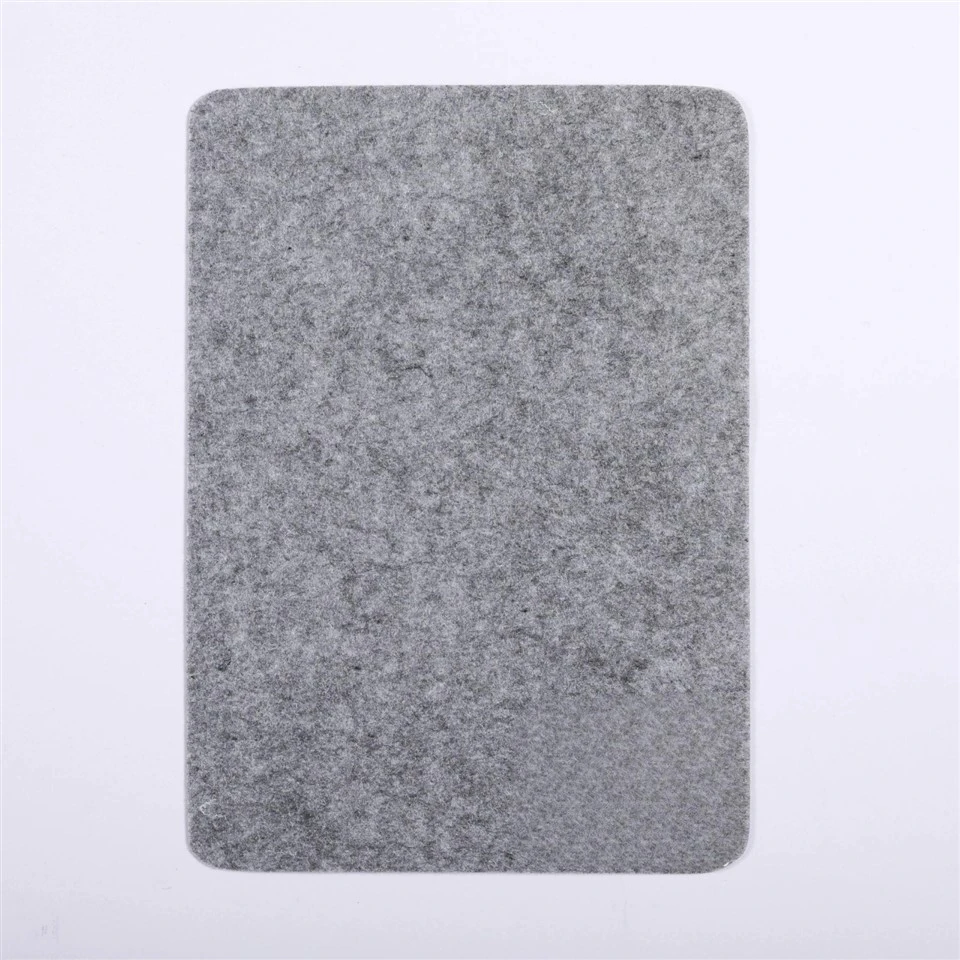
There are a few factors that can affect the elasticity of an insole board. First up is the material. Different materials have different elastic properties. For example, some of our Nonwoven Insole Board with Eva has a great balance of flexibility and elasticity. The EVA (ethylene - vinyl acetate) component gives it that nice bounce, while the non - woven part provides some structure.
Another factor is the manufacturing process. How the insole board is made can have a big impact on its elasticity. If the layers are not properly bonded or if the board is over - compressed during production, it can reduce the overall elasticity. At our company, we've spent years perfecting our manufacturing techniques to ensure that each insole board we produce has optimal elasticity.
The thickness of the insole board also plays a role. Generally, a thicker insole board can offer more elasticity, but it also depends on the material. A thick, dense material might not be as elastic as a thinner, more flexible one. We offer a variety of thicknesses for our Insole Board for Shoes to meet different customer needs.
Now, let's talk about why elasticity matters in different types of shoes. In athletic shoes, elasticity is a game - changer. Athletes need shoes that can keep up with their high - impact movements. A highly elastic insole board can help them jump higher, run faster, and reduce the risk of injuries. For example, in running shoes, the insole board's elasticity can provide that extra push with each stride, making the run more efficient.
In casual shoes, elasticity is all about comfort. Whether you're walking around town or just hanging out, you want your feet to feel good. A comfortable insole board with good elasticity can make a big difference in how you feel throughout the day.
For work shoes, especially those in industries where you're on your feet all day, like construction or healthcare, elasticity is crucial. It can prevent fatigue and foot pain, allowing workers to be more productive and comfortable on the job.
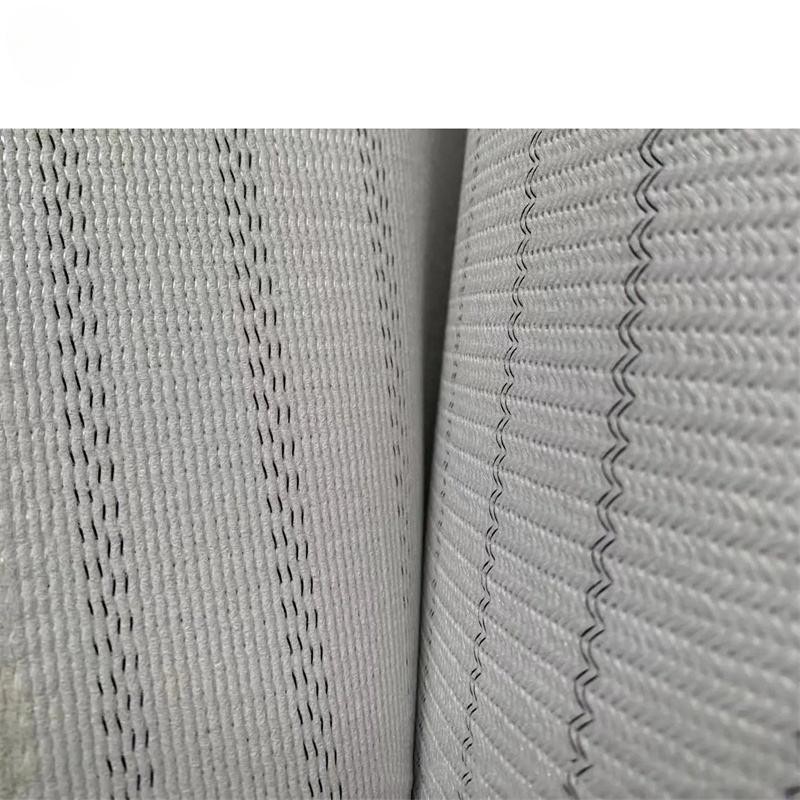
We also have Non Woven Insole Board which is known for its unique properties. Non - woven materials can offer a different kind of elasticity compared to other materials. They are often more breathable, which is great for keeping feet dry and comfortable. And the elasticity of non - woven insole boards can still provide a good amount of cushioning.
When it comes to choosing the right insole board for your shoes, it's important to consider the elasticity. You don't want to go too extreme in either direction. Too little elasticity, and your shoes will be uncomfortable. Too much elasticity, and the insole board might not provide enough support.
We've done a lot of research and testing to make sure that our insole boards have the perfect balance of elasticity and support. We work closely with our customers to understand their specific needs and then recommend the best insole board for their shoes.
If you're in the shoe - making business or if you're just someone who cares about the quality of your shoes, I encourage you to reach out to us. We're always happy to have a chat about our insole boards, their elasticity, and how they can benefit your products. Whether you need a small order for a new shoe design or a large - scale supply for your production line, we've got you covered.
In conclusion, the elasticity of an insole board is a key factor in the comfort, performance, and overall quality of shoes. It's something that we take very seriously at our company, and we're constantly working to improve our products. So, if you're looking for high - quality insole boards with the right amount of elasticity, don't hesitate to get in touch. Let's work together to make your shoes the best they can be!
References
- Textile and Footwear Materials Research Journal
- International Journal of Shoe Technology