

Hey there, fellow ping pong enthusiasts! As a supplier of ping pong sheets, I've seen firsthand how different aspects of these sheets can impact the game. One factor that often gets overlooked but plays a huge role is the surface hardness of the ping pong sheet. In this blog, I'm gonna break down how the sheet's surface hardness affects the game and why it matters to you.
Let's start by understanding what we mean by surface hardness. In simple terms, it's how resistant the sheet's surface is to being dented or scratched. A harder surface won't give way easily when the ball hits it, while a softer one will deform a bit. This difference has a big impact on how the ball behaves during play.
First off, let's talk about the speed of the ball. When you're using a ping pong sheet with a hard surface, the ball tends to bounce off it at a higher speed. That's because the hard surface doesn't absorb much of the ball's energy upon impact. Instead, it transfers most of that energy back to the ball, sending it flying across the table. This can make for some really fast - paced and exciting rallies. For players who like an aggressive, offensive style of play, a hard - surfaced sheet can be a game - changer. You can hit those powerful smashes and have the ball reach your opponent in a flash.
On the other hand, a softer surface will slow the ball down. The ball sinks into the surface a bit when it hits, and some of its energy is absorbed by the sheet. This results in a slower bounce. If you're a player who relies more on control and finesse, a softer surface might be more up your alley. You can place your shots more precisely because you have more time to react to the ball's movement.
Another aspect affected by surface hardness is spin. Spin is a crucial part of ping pong, allowing players to add curve and unpredictability to their shots. A hard surface makes it easier to generate spin. When you brush the ball with your paddle on a hard sheet, the ball grips the surface well, and you can impart a lot of spin. This can be a real advantage when you're trying to throw your opponent off. Your topspin shots will dip more sharply, and your backspin shots will bounce lower and slower.
A softer surface, however, makes it a bit trickier to generate extreme spin. The ball doesn't grip the surface as firmly, so the amount of spin you can put on it is somewhat limited. But this can also work in your favor in some situations. For example, if your opponent is used to dealing with high - spin shots, a softer surface can make it harder for them to read and return your shots accurately.

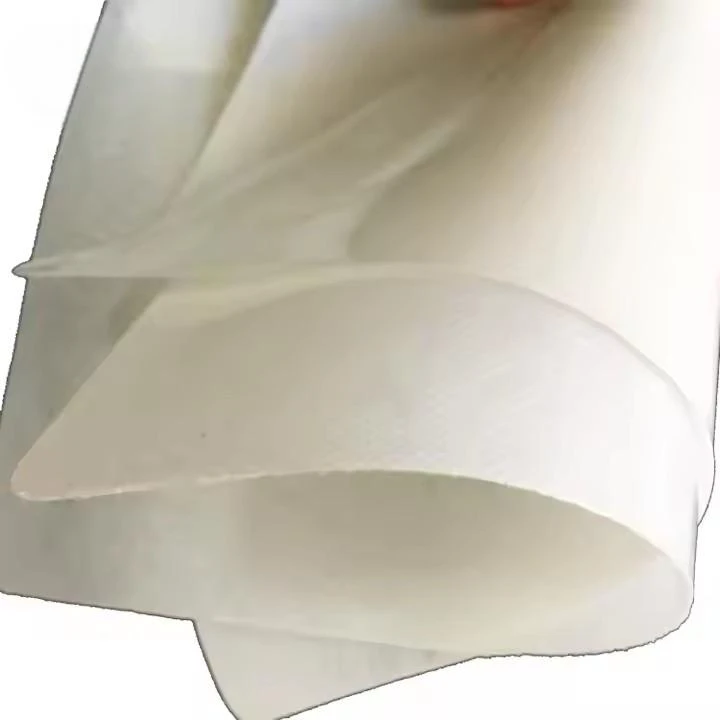
The consistency of the bounce is also influenced by surface hardness. Hard surfaces generally offer a more consistent bounce. Since they don't deform much under the ball's impact, the ball will bounce off at a similar angle and speed every time. This predictability can be great for players who want to develop a consistent playing style. You know exactly how the ball is going to react, which allows you to plan your shots more effectively.
Softer surfaces, on the other hand, can have a bit more variability in the bounce. The deformation of the surface can cause the ball to bounce at slightly different angles or speeds depending on where it hits. This can add an element of surprise to the game, but it can also make it more challenging to play consistently.
Now, let's take a look at some of the ping pong sheets we offer. We have the Pingpong Rebound Board Cover Sheets, which come in a variety of surface hardness levels. These sheets are great for both practice and competitive play. The harder versions are perfect for those high - energy games where speed and spin are key, while the softer ones are ideal for players who want to focus on control.
Our Pingpong Lead Sheet is another popular option. It's designed to provide a smooth and durable playing surface. The surface hardness of this sheet can be customized to suit your specific needs. Whether you're a beginner looking for a forgiving surface or a pro seeking maximum performance, we can tailor the hardness to fit your game.
And then there's the Toe Puff Pingpong Sheet. This sheet is known for its excellent ball - control properties. The surface hardness is carefully calibrated to offer a balance between speed and spin, making it a great choice for all - around players.
If you're in the market for a new ping pong sheet, it's important to consider your playing style. Are you an offensive player who loves to smash and generate spin? Then a harder surface might be right for you. Or are you more of a defensive player who focuses on control and placement? In that case, a softer surface could be the better option.
We understand that every player is different, and that's why we offer a wide range of ping pong sheets with varying surface hardness levels. We're committed to helping you find the perfect sheet to take your game to the next level.
If you're interested in learning more about our products or have any questions about how surface hardness might affect your game, don't hesitate to reach out. We're here to assist you in making the best choice for your ping pong needs. Whether you're a casual player looking to upgrade your home table or a competitive athlete in search of a high - performance sheet, we've got you covered. So, let's start a conversation and find the ideal ping pong sheet for you!
References
- Ping Pong World Magazine, various issues discussing the impact of equipment on gameplay.
- Interviews with professional ping pong players on the importance of table surface characteristics.