

What is the aging resistance of floor leather?
As a floor leather supplier deeply entrenched in the industry, I've witnessed firsthand the transformative power and versatility of floor leather in various settings. Floor leather, a popular choice for both residential and commercial spaces, is lauded for its aesthetic appeal, durability, and ease of maintenance. However, one of the most critical factors that determine its long - term performance is its aging resistance.
Aging resistance refers to the ability of floor leather to withstand the test of time, environmental factors, and regular wear and tear without significant degradation in its physical and chemical properties. This includes resistance to fading, cracking, hardening, and loss of elasticity. Understanding the aging resistance of floor leather is essential for consumers and businesses alike, as it directly impacts the lifespan and cost - effectiveness of the product.
Factors Affecting the Aging Resistance of Floor Leather
1. Material Quality
The base materials used in the production of floor leather play a pivotal role in its aging resistance. High - quality PVC (polyvinyl chloride), which is commonly used in floor leather, offers excellent durability and resistance to environmental factors. PVC floor leather with a higher proportion of pure PVC resin and fewer additives is generally more resistant to aging. For example, some premium floor leather products are made from virgin PVC resin, which has a more stable molecular structure and is less likely to break down over time.
2. UV Exposure
Ultraviolet (UV) radiation from sunlight is one of the primary culprits behind the aging of floor leather. Prolonged exposure to UV rays can cause the floor leather to fade, become brittle, and lose its color vibrancy. To combat this, many floor leather manufacturers incorporate UV stabilizers into the production process. These stabilizers act as a shield, absorbing and dissipating UV energy, thereby protecting the floor leather from the harmful effects of sunlight. However, the effectiveness of UV stabilizers can vary depending on their quality and concentration.
3. Temperature and Humidity
Extreme temperature fluctuations and high humidity levels can also have a detrimental impact on the aging resistance of floor leather. In hot and humid environments, floor leather may become soft and prone to warping, while in cold conditions, it can become brittle and crack. To enhance its resistance to these environmental factors, floor leather should be formulated with appropriate plasticizers and additives. These substances help to maintain the flexibility of the material across a wide range of temperatures and humidity levels.
4. Chemical Exposure
Floor leather may come into contact with various chemicals, such as cleaning agents, solvents, and spills. These chemicals can react with the floor leather, causing discoloration, swelling, or even degradation of the material. To improve chemical resistance, manufacturers may apply special coatings or treatments to the surface of the floor leather. These protective layers act as a barrier, preventing chemicals from penetrating the material and causing damage.
Measuring the Aging Resistance of Floor Leather
To accurately assess the aging resistance of floor leather, several standardized tests are commonly used in the industry.
1. Accelerated Aging Tests
Accelerated aging tests simulate the long - term effects of environmental factors on floor leather in a relatively short period. These tests typically involve exposing the floor leather to high levels of UV radiation, heat, and humidity for a specified duration. By measuring the changes in the physical and chemical properties of the floor leather before and after the test, manufacturers can predict its long - term performance in real - world conditions.
2. Color Fastness Tests
Color fastness tests evaluate the ability of floor leather to retain its color over time. This is particularly important for floor leather with vibrant or patterned designs. The floor leather sample is exposed to various light sources, such as sunlight or artificial light, and the degree of color change is measured. A high - quality floor leather should have a high color fastness rating, indicating that it will maintain its appearance for an extended period.
3. Tensile Strength and Elongation Tests
Tensile strength and elongation tests measure the mechanical properties of floor leather. These tests determine the maximum amount of stress the floor leather can withstand before breaking and its ability to stretch without tearing. As floor leather ages, its tensile strength and elongation properties may decrease. By regularly conducting these tests, manufacturers can ensure that the floor leather maintains its structural integrity over time.
The Importance of Aging Resistance in Different Applications
1. Residential Use
In residential settings, floor leather is often used in areas such as kitchens, bathrooms, and living rooms. These areas are subject to daily foot traffic, spills, and exposure to sunlight. A floor leather with good aging resistance can withstand these conditions and maintain its appearance and functionality for many years. For example, in a kitchen, where spills of food and liquids are common, a floor leather with high chemical resistance and color fastness will not only look good but also be easy to clean and maintain.
2. Commercial Use
In commercial spaces, such as offices, retail stores, and restaurants, floor leather is exposed to even more demanding conditions. High foot traffic, heavy furniture, and frequent cleaning can all contribute to the aging of the floor leather. A floor leather with excellent aging resistance is essential in these settings to ensure a long - lasting and cost - effective flooring solution. For example, in a busy retail store, the floor needs to withstand constant movement of customers and merchandise without showing signs of wear and tear.

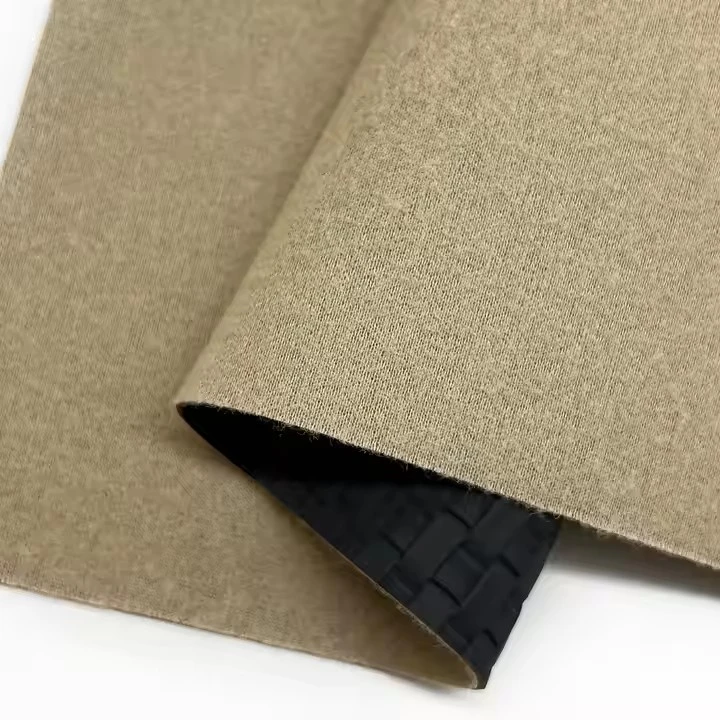
Our Floor Leather Products and Their Aging Resistance
At our company, we are committed to providing high - quality floor leather products with exceptional aging resistance. Our floor leather is made from premium PVC materials and is formulated with advanced additives and stabilizers to enhance its durability.
We offer a wide range of floor leather products, including Leather Car Floor Mats, Leather Floor Mirror, and Leather Floor Sofa. Each of these products is designed to meet the specific needs of different applications and is rigorously tested for aging resistance.
Our Leather Car Floor Mats, for instance, are exposed to a variety of conditions inside a car, such as sunlight through the windows, dirt from shoes, and spills from drinks. We ensure that these mats are highly resistant to UV rays, stains, and abrasion, so they can maintain their appearance and functionality for a long time.
The Leather Floor Mirror is a unique product that combines the beauty of a mirror with the practicality of floor leather. It is designed to be used in areas where a touch of elegance is required, such as dressing rooms or bathrooms. Our floor mirror is made with a special coating that protects it from moisture and UV damage, ensuring its long - term clarity and shine.
The Leather Floor Sofa is a comfortable and stylish addition to any living space. It is made from high - quality floor leather that is resistant to fading, cracking, and staining. This ensures that the sofa remains in good condition even with regular use.
Contact Us for Your Floor Leather Needs
If you are in the market for high - quality floor leather with excellent aging resistance, we invite you to contact us for a detailed discussion. Our team of experts is ready to assist you in selecting the right floor leather product for your specific needs. Whether you are a homeowner looking to upgrade your flooring or a business owner in need of a durable and cost - effective flooring solution, we have the products and expertise to meet your requirements.
References
- ASTM International. (Year). Standard test methods for evaluating the aging resistance of plastics and rubber materials.
- ISO. (Year). International standards for measuring the physical and chemical properties of flooring materials.
- Industry research reports on the performance and durability of floor leather products.