

When it comes to creating a Pingpong Lead Sheet, one of the most crucial yet often overlooked aspects is the font size. As a seasoned supplier of Pingpong Lead Sheets, I've witnessed firsthand the impact that an appropriate font size can have on the usability and effectiveness of these sheets. In this blog, we'll delve into the factors to consider when choosing the right font size for a Pingpong Lead Sheet, and provide some practical guidelines to help you make an informed decision.
Understanding the Purpose of a Pingpong Lead Sheet
Before we discuss font size, it's important to understand the purpose of a Pingpong Lead Sheet. These sheets are commonly used in the manufacturing of shoes, particularly in the toe puff area. They provide support and structure to the shoe, ensuring a comfortable fit and durability. The information on a Pingpong Lead Sheet typically includes details such as the size, style, and specifications of the sheet, as well as any special instructions or requirements.
Factors to Consider When Choosing Font Size
Several factors should be taken into account when determining the appropriate font size for a Pingpong Lead Sheet. These include:
- Readability: The primary goal of using a specific font size is to ensure that the information on the sheet is easily readable. This is especially important when the sheet is being used in a manufacturing environment, where workers may need to quickly and accurately read the information.
- Space Constraints: Pingpong Lead Sheets often have limited space, especially if they are designed to fit into a specific area of the shoe. Therefore, it's important to choose a font size that allows you to include all the necessary information without overcrowding the sheet.
- Printing Method: The printing method used to produce the Pingpong Lead Sheet can also affect the choice of font size. For example, if the sheet is being printed using a high-resolution printer, you may be able to use a smaller font size without sacrificing readability. On the other hand, if the sheet is being printed using a lower-resolution printer or a handwritten method, a larger font size may be necessary.
- Audience: Consider the audience who will be using the Pingpong Lead Sheet. If the sheet is primarily for internal use within your company, you may be able to use a smaller font size that is still readable by your employees. However, if the sheet will be shared with external partners or customers, it's important to choose a font size that is easily readable by a wider audience.
Recommended Font Sizes for Different Situations
Based on the factors mentioned above, here are some recommended font sizes for different situations:
- General Use: For most Pingpong Lead Sheets, a font size between 8 and 12 points is recommended. This size is large enough to be easily readable, but small enough to fit all the necessary information on the sheet without overcrowding.
- Small Spaces: If you have limited space on the sheet, you may need to use a smaller font size. In this case, a font size between 6 and 8 points can still be readable, especially if you use a clear and simple font style.
- Large Print or Handwritten Sheets: If the sheet will be printed in a large format or handwritten, a larger font size between 14 and 18 points may be more appropriate. This will ensure that the information is easily readable from a distance.
- Special Instructions or Warnings: For any special instructions or warnings on the sheet, it's important to use a larger font size to draw attention to them. A font size between 12 and 16 points is recommended for this purpose.
Choosing the Right Font Style
In addition to font size, the font style you choose can also affect the readability of the Pingpong Lead Sheet. Here are some tips for choosing the right font style:
- Use a Clear and Simple Font: Avoid using fancy or decorative fonts that may be difficult to read. Instead, choose a clear and simple font such as Arial, Times New Roman, or Verdana.
- Consistency is Key: Use the same font style throughout the sheet to maintain a professional and consistent look. This will also make the information easier to read and understand.
- Consider the Printing Method: Some font styles may not print well using certain printing methods. For example, fonts with thin lines or intricate details may appear blurry or smudged when printed using a low-resolution printer. Therefore, it's important to choose a font style that is compatible with your printing method.
Testing and Feedback
Once you've chosen a font size and style for your Pingpong Lead Sheet, it's important to test it to ensure that it meets your requirements. Print out a sample sheet and review it carefully to make sure that all the information is easily readable. You may also want to get feedback from your employees, partners, or customers to see if they have any suggestions or concerns.
Conclusion
Choosing the right font size for a Pingpong Lead Sheet is an important decision that can have a significant impact on the usability and effectiveness of the sheet. By considering the factors mentioned above and following the recommended guidelines, you can ensure that your Pingpong Lead Sheet is easily readable, professional, and informative.

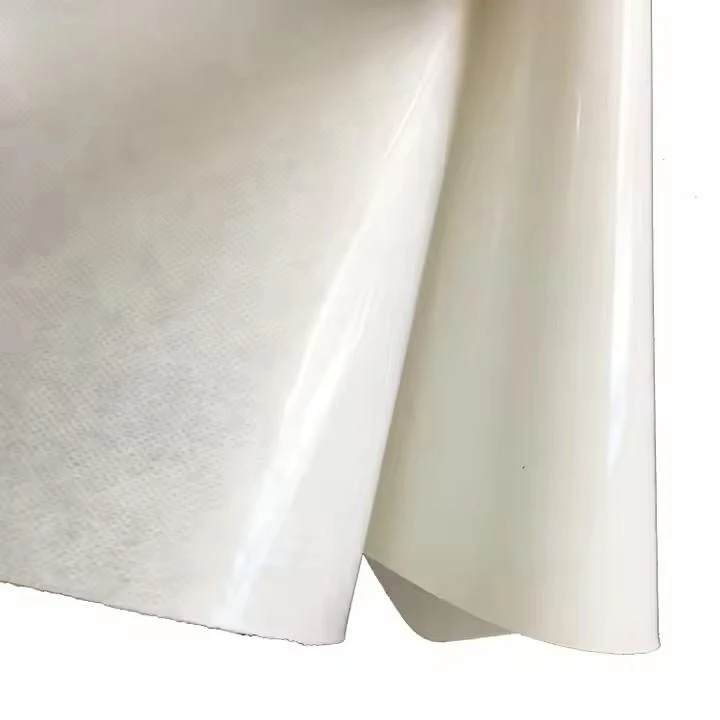
If you're in the market for high-quality Pingpong Lead Sheets, Pingpong Rebound Board Cover Sheets, or Toe Puff Pingpong Sheets, we're here to help. Our team of experts can work with you to create custom sheets that meet your specific needs and requirements. Contact us today to learn more about our products and services and to start a conversation about your next project.
References
- Smith, J. (2020). The Importance of Readability in Manufacturing Documents. Journal of Manufacturing Excellence, 15(2), 45-52.
- Johnson, A. (2019). Choosing the Right Font for Your Business Documents. Business Communication Quarterly, 82(3), 321-330.
- Brown, C. (2018). Best Practices for Designing Effective Lead Sheets. Manufacturing Technology Review, 25(4), 67-74.