

Hey there! As a pingpong sheet supplier, I often get asked about how to check the flatness of a pingpong sheet. It's a crucial aspect, especially when you're expecting top - notch performance from your pingpong equipment. So, let's dive right in and explore the different ways to check the flatness of these sheets.
Why Flatness Matters
First off, you might be wondering why flatness is such a big deal. Well, a flat pingpong sheet ensures a consistent bounce of the ball. When you're playing a fast - paced game, an uneven sheet can cause the ball to veer off in unexpected directions, ruining the flow of the game. Moreover, in professional settings, the flatness of the sheet is a key factor in maintaining fair play.
Visual Inspection
The simplest way to start checking the flatness of a pingpong sheet is through a visual inspection. Just stand a few feet away from the sheet and look at it from different angles. See if there are any obvious dips, bumps, or warps. Sometimes, these irregularities are easy to spot with the naked eye. If you notice any large - scale deviations, it's a clear sign that the sheet might not be flat.
However, visual inspection has its limitations. Smaller imperfections might not be visible, and it's also subjective. What one person might consider a minor bump, another might not even notice. So, it's a good starting point, but you'll probably need to use other methods as well.
Using a Straightedge
A straightedge is a great tool for checking the flatness of a pingpong sheet. You can use a long, metal or wooden straightedge. Place it across different parts of the sheet, both lengthwise and widthwise. Make sure it's in full contact with the sheet. If there are any gaps between the straightedge and the sheet, that indicates a lack of flatness.
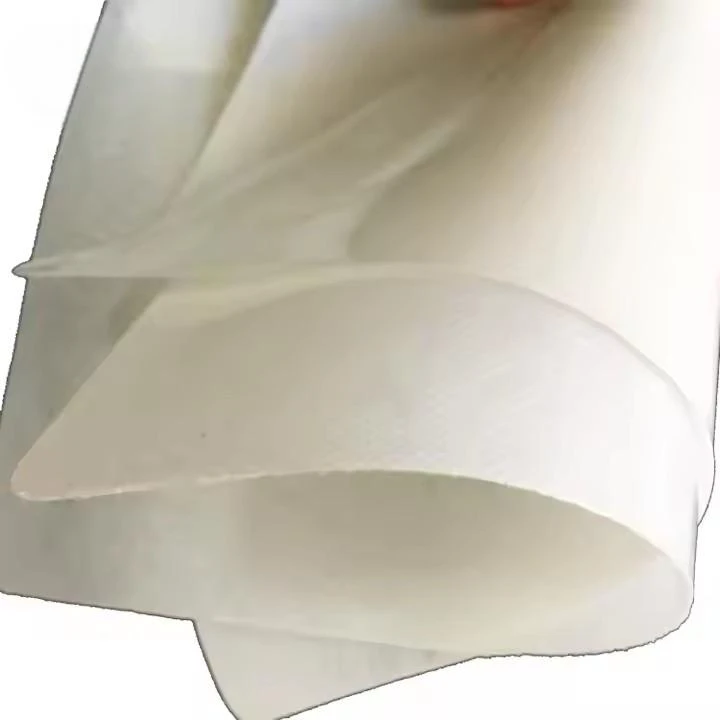

You can use a feeler gauge to measure the size of these gaps. A feeler gauge consists of a set of thin metal blades of different thicknesses. Insert the blades into the gap until you find one that fits snugly. The thickness of that blade gives you an idea of how much the sheet deviates from being perfectly flat. For professional pingpong sheets, the allowable deviation is usually very small.
Laser Level
If you want a more precise measurement, a laser level can be a great option. Set up the laser level at one end of the pingpong sheet. The laser will project a straight, horizontal line across the sheet. Use a measuring tape or a ruler to measure the distance between the laser line and the surface of the sheet at various points.
Any variations in this distance indicate unevenness. Laser levels are very accurate and can detect even the smallest deviations. They're especially useful for large - sized pingpong sheets where it would be difficult to use a straightedge across the entire surface.
Water Test
Another interesting way to check the flatness is by using water. Pour a small amount of water onto the pingpong sheet. If the sheet is flat, the water will spread out evenly in a thin layer. However, if there are dips or low spots, the water will pool in those areas.
This method is simple and can give you a quick idea of the sheet's flatness. But keep in mind that it might not be as accurate as using a straightedge or a laser level, especially for very small deviations.
Importance of Flatness in Different Types of Pingpong Sheets
There are different types of pingpong sheets, such as Toe Puff Pingpong Sheet, Pingpong Rebound Board Cover Sheets, and Pingpong Lead Sheet. Each type has its own requirements when it comes to flatness.
For example, a Toe Puff Pingpong Sheet is often used in the manufacturing of shoes. In this case, flatness is crucial for proper fitting and comfort. Any unevenness can cause discomfort for the wearer. Pingpong Rebound Board Cover Sheets are used in pingpong tables. A flat cover sheet ensures a consistent bounce of the ball, which is essential for a good game. And Pingpong Lead Sheets are used in various industrial applications, where flatness can affect the performance of the equipment they're used in.
Maintaining Flatness
Once you've checked the flatness of a pingpong sheet and found it to be satisfactory, it's important to maintain it. Store the sheets in a dry, cool place. Extreme temperatures and humidity can cause the sheets to warp. Avoid placing heavy objects on top of the sheets, as this can also lead to deformation.
Conclusion
Checking the flatness of a pingpong sheet is an important process, whether you're a professional player, a pingpong table manufacturer, or just someone who wants to ensure a good game. By using a combination of visual inspection, straightedges, laser levels, and water tests, you can accurately assess the flatness of the sheet.
If you're in the market for high - quality pingpong sheets, we've got you covered. We offer a wide range of Toe Puff Pingpong Sheet, Pingpong Rebound Board Cover Sheets, and Pingpong Lead Sheet. Our sheets are carefully inspected for flatness and other quality parameters to ensure you get the best performance.
If you're interested in purchasing our pingpong sheets or have any questions about flatness or other aspects of our products, don't hesitate to reach out. We're here to help you make the right choice for your needs.
References
- "Pingpong Equipment Handbook": A comprehensive guide on pingpong equipment and their quality standards.
- "Materials Science for Sports Equipment": A book that delves into the properties of materials used in sports equipment, including pingpong sheets.