

As a supplier of Toe Puff Pingpong Sheet, I've received numerous inquiries regarding its performance in cold weather. In this blog, I'll delve into the science behind how this product behaves when the temperature drops, backed by industry knowledge and practical experience.
Understanding Toe Puff Pingpong Sheet
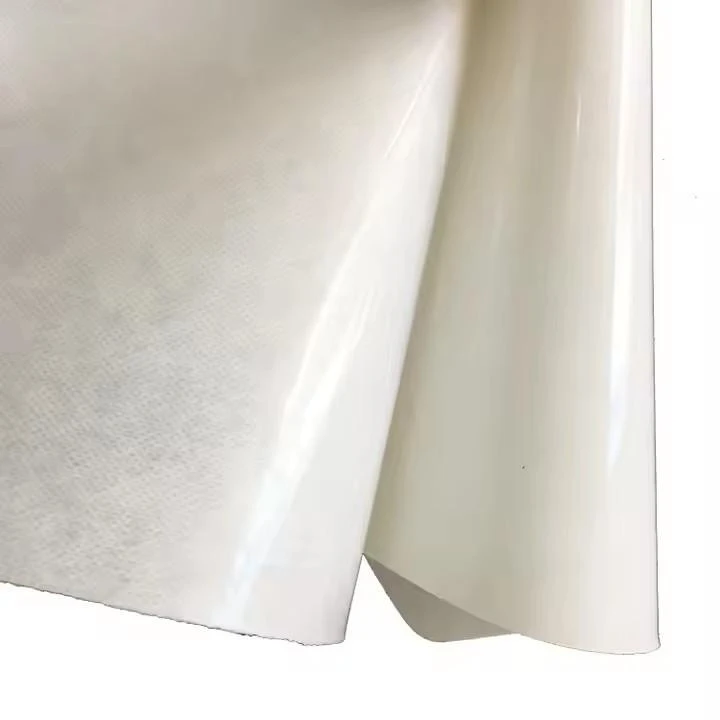
Before we discuss its performance in cold weather, let's briefly understand what Toe Puff Pingpong Sheet is. Toe Puff Pingpong Sheet is a specialized material commonly used in the manufacturing of footwear, particularly in the toe area. It provides structure, support, and durability to the shoe, ensuring a comfortable fit and long - lasting performance. The sheet is engineered with specific physical and chemical properties to meet the demanding requirements of the footwear industry.
Physical Properties Affected by Cold Weather
Hardness and Brittleness
One of the most noticeable effects of cold weather on Toe Puff Pingpong Sheet is the change in its hardness and brittleness. As the temperature decreases, the molecular motion within the material slows down. This reduction in molecular mobility causes the material to become stiffer and less flexible. In scientific terms, the glass transition temperature (Tg) of the polymer used in the Toe Puff Pingpong Sheet plays a crucial role. When the ambient temperature approaches or falls below the Tg, the material transitions from a rubbery state to a glassy state.
For example, if the Tg of a particular Toe Puff Pingpong Sheet is - 10°C, at temperatures below this point, the sheet will start to lose its elasticity and become more brittle. This brittleness can be a concern as it may lead to cracking or breaking, especially if the sheet is subjected to bending or impact forces. In footwear applications, this could mean that the toe area of the shoe becomes less comfortable to wear and may even fail prematurely.
Elasticity and Resilience
Elasticity and resilience are important properties for Toe Puff Pingpong Sheet, as they allow the material to return to its original shape after being deformed. Cold weather has a negative impact on these properties. When the material is cold, its ability to stretch and recover is significantly reduced. The intermolecular forces within the polymer chains become stronger at lower temperatures, making it more difficult for the chains to slide past each other.
This reduced elasticity can affect the fit of the shoe. If the Toe Puff Pingpong Sheet loses its ability to stretch and conform to the shape of the foot, the shoe may feel tight and restrictive. Additionally, the resilience of the sheet, which is essential for providing a spring - like effect when walking, is diminished. As a result, the wearer may experience a less comfortable and less energetic walking experience.
Chemical Reactions in Cold Weather
Oxidation and Degradation
Cold weather can also influence the chemical stability of Toe Puff Pingpong Sheet. Although oxidation and degradation processes generally occur more slowly at lower temperatures compared to higher ones, they can still take place over time. Oxygen in the air can react with the polymer chains in the sheet, leading to the formation of free radicals. These free radicals can cause chain scission, which breaks the polymer chains and reduces the molecular weight of the material.
In cold weather, the rate of these oxidation reactions is slower, but the cumulative effect over a long period can still be significant. The degradation of the Toe Puff Pingpong Sheet can result in a loss of its mechanical properties, such as strength and flexibility. This is particularly important for footwear that is exposed to cold and wet conditions, as moisture can accelerate the oxidation process.
Adhesive Bonding
Many Toe Puff Pingpong Sheets are attached to other components of the shoe using adhesives. Cold weather can have a negative impact on the adhesive bonding process. Adhesives rely on chemical reactions and physical interactions to form a strong bond between the sheet and the substrate. At low temperatures, the curing process of the adhesive may be slowed down or even halted.

The reduced mobility of the adhesive molecules at cold temperatures can prevent them from properly wetting the surfaces of the Toe Puff Pingpong Sheet and the substrate. This can lead to a weaker bond, which may result in delamination of the sheet from the shoe. In some cases, the adhesive may become brittle and crack, further compromising the integrity of the bond.
Practical Considerations for Cold - Weather Use
Storage and Handling
Proper storage and handling of Toe Puff Pingpong Sheet in cold weather are essential to maintain its performance. When storing the sheets, it is important to keep them in a temperature - controlled environment. If the sheets are stored at extremely low temperatures, they should be allowed to warm up to room temperature before use. This will help to restore their flexibility and elasticity.
During handling, care should be taken to avoid subjecting the sheets to excessive bending or impact forces when they are cold. If the sheets are bent or folded at low temperatures, they may crack or develop internal stresses that can weaken the material over time.
Application in Footwear
When using Toe Puff Pingpong Sheet in footwear manufacturing for cold - weather applications, it is important to select a material with appropriate cold - weather properties. Some Toe Puff Pingpong Sheets are specifically formulated to have a lower glass transition temperature, which allows them to remain flexible and resilient at lower temperatures.
Manufacturers should also consider the adhesive used to attach the sheet to the shoe. There are adhesives available that are designed to perform well in cold weather. These adhesives have a lower curing temperature and better flexibility at low temperatures, ensuring a strong and durable bond.
Comparison with Other Pingpong Sheets
Pingpong Rebound Board Cover Sheets
Pingpong Rebound Board Cover Sheets are used in different applications compared to Toe Puff Pingpong Sheet. While both are types of pingpong sheets, their performance in cold weather can vary. Rebound board cover sheets are often used in sports equipment, where they need to provide a high level of resilience and rebound.
In cold weather, the Pingpong Rebound Board Cover Sheets may also experience a decrease in elasticity and resilience. However, due to their different material composition and design, they may be more resistant to cracking compared to Toe Puff Pingpong Sheet. This is because they are typically made from materials with a higher impact resistance and a lower glass transition temperature.
Pingpong Lead Sheet
Pingpong Lead Sheet is another type of pingpong sheet with its own unique properties. These sheets are often used for shielding and weighting applications. In cold weather, the Pingpong Lead Sheet may experience less of a change in its physical properties compared to Toe Puff Pingpong Sheet.
Lead has a relatively low coefficient of thermal expansion, which means that it does not expand or contract significantly with changes in temperature. However, the adhesive used to attach the lead sheet to other components may still be affected by cold weather, similar to the case with Toe Puff Pingpong Sheet.
Conclusion
In conclusion, the performance of Toe Puff Pingpong Sheet in cold weather is influenced by a variety of factors, including its physical and chemical properties. Cold weather can cause the sheet to become harder, more brittle, and less elastic, which can affect its performance in footwear applications. However, by understanding these effects and taking appropriate measures, such as proper storage, handling, and material selection, it is possible to mitigate the negative impacts of cold weather.
If you are in the footwear manufacturing industry or any other industry that uses Toe Puff Pingpong Sheet and are interested in learning more about our products or discussing your specific requirements, please feel free to reach out. We are committed to providing high - quality Toe Puff Pingpong Sheet that performs well in all weather conditions.
References
- "Polymer Science and Engineering" by Ferdinand Rodriguez
- "Handbook of Adhesive Technology" by Skeist Irving
- Industry reports on footwear materials and their performance in different environments.