

Hey there! As a supplier of insole board paper, I've often been asked if this stuff can be used for other purposes beyond just shoe insoles. Well, you bet it can! In this blog, I'm gonna share some cool alternative uses for insole board paper that you might not have thought of.
First off, let's talk a bit about what insole board paper is. It's a type of material that's commonly used in the shoe industry to make insoles. It's usually made from a combination of fibers, which gives it a certain level of stiffness and durability. There are different types of insole board paper, like the Nonwoven Insole Board for Shoe, Nonwoven Insole Board with Eva, and Non Woven Insole Board. These materials are designed to provide support and comfort inside shoes, but their properties make them suitable for other applications too.
Arts and Crafts
One of the most creative uses for insole board paper is in arts and crafts. Its stiffness makes it a great base for various projects. For example, you can use it to make custom greeting cards. Cut the insole board paper into the shape and size of a card, and then decorate it with paints, markers, stickers, or even fabric. The sturdy nature of the paper ensures that the card will hold its shape and look professional.
Another craft idea is to make 3D models. Whether you're building a small architectural model or a fun animal figurine, insole board paper can be cut and folded into different shapes. You can layer the paper to add thickness and dimension to your models. It's also easy to glue or tape the pieces together, making it a versatile material for DIY enthusiasts.
Packaging
Insole board paper can also be used in the packaging industry. Its strength and durability make it an excellent choice for creating custom packaging inserts. If you're shipping delicate items, you can cut the insole board paper into shapes that fit snugly around the product, providing extra protection during transit. For example, if you're selling handmade jewelry, you can create custom inserts that hold the pieces securely in place, preventing them from moving around and getting damaged.

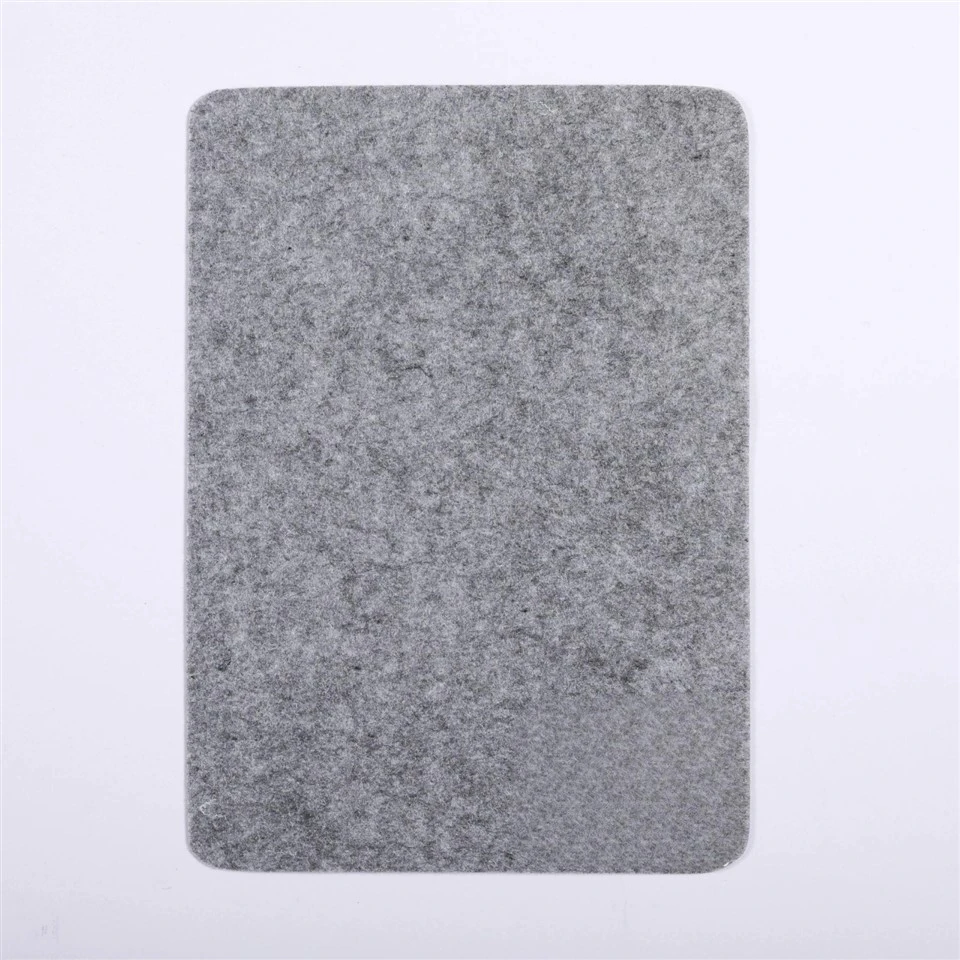
It can also be used to make boxes or cases. You can cut and fold the paper to create a box of any size or shape. You can then cover it with decorative paper or fabric to give it a more appealing look. This is a cost - effective way to create unique packaging for your products, whether you're a small business owner or an individual selling homemade goods.
Furniture and Interior Design
Believe it or not, insole board paper can even find its way into furniture and interior design. You can use it to make small decorative elements for your home. For instance, you can create wall art by cutting the paper into interesting shapes and arranging them on a canvas. You can paint them different colors or add patterns to match your room's decor.
In terms of furniture, it can be used as a backing or support for small items. If you're making a small wooden shelf, you can use insole board paper as a backing to give it more stability. It can also be used to line drawers or cabinets to protect the contents and add a bit of style.
Educational Purposes
In the educational field, insole board paper has its uses too. Teachers can use it in the classroom for various projects. For example, in a science class, students can use it to create models of cells or organs. The paper can be cut and shaped to represent different parts of the biological structures, and then labeled with markers.
In a math class, it can be used for geometry lessons. Students can cut the paper into different geometric shapes, measure their sides and angles, and learn about concepts like area and perimeter. It's a hands - on way to make learning more engaging and fun.
Gardening
In the garden, insole board paper can serve a practical purpose. You can use it as a weed barrier. Cut the paper into large sheets and place them on the ground in your garden beds. Cover the paper with a layer of mulch to hold it in place. The paper will prevent sunlight from reaching the weeds, inhibiting their growth. It's an eco - friendly alternative to some chemical weed killers.
It can also be used to start seedlings. Cut the paper into small pots or trays, fill them with soil, and plant your seeds. The paper is biodegradable, so once the seedlings are ready to be transplanted, you can simply plant the whole pot in the ground. This reduces the risk of disturbing the roots during transplantation.
Industrial Applications
In some industrial settings, insole board paper can be used as a buffer or spacer. For example, in manufacturing processes where parts need to be separated or protected, the paper can be placed between the items. Its stiffness ensures that it maintains its shape and provides effective separation.
It can also be used as a template in some manufacturing operations. If you need to cut a large number of parts to a specific shape, you can create a template from insole board paper. This template can then be used to mark and cut the parts accurately, saving time and ensuring consistency.
Conclusion
As you can see, insole board paper has a wide range of uses beyond just shoe insoles. Its properties of stiffness, durability, and versatility make it suitable for arts and crafts, packaging, furniture and interior design, education, gardening, and industrial applications. Whether you're a creative person looking for a new material to work with, a business owner in need of cost - effective solutions, or someone in an educational or industrial field, insole board paper could be the answer.
If you're interested in using insole board paper for any of these purposes or have other ideas in mind, I'd love to hear from you. We offer a variety of insole board paper products, including the Nonwoven Insole Board for Shoe, Nonwoven Insole Board with Eva, and Non Woven Insole Board. Feel free to reach out to discuss your requirements and start a procurement negotiation. We're here to help you find the right solution for your needs.
References
- General knowledge about the properties of insole board paper from years of experience as a supplier.
- Various DIY and craft blogs and websites for inspiration on arts and crafts uses.
- Packaging industry knowledge and best practices for using materials in packaging.
- Educational resources and teaching materials for ideas on educational applications.