

As a seasoned supplier of Insole Board Paper, I've encountered numerous inquiries regarding the ease of gluing our product. This topic is not only crucial for manufacturers in the footwear industry but also holds significant importance in ensuring the quality and durability of the final product. In this blog, I'll delve into the factors that influence the gluing process of insole board paper and share insights based on my experience in the field.
Understanding Insole Board Paper
Before we discuss the gluing aspect, it's essential to understand what insole board paper is. Insole board paper is a key component in shoe manufacturing, providing support, shape, and comfort to the footwear. There are different types of insole board paper available, such as Insole Board for Shoes, Nonwoven Insole Board for Shoe, and Non Woven Insole Board. Each type has its unique characteristics, which can affect the gluing process.
Factors Affecting the Ease of Gluing
1. Material Composition
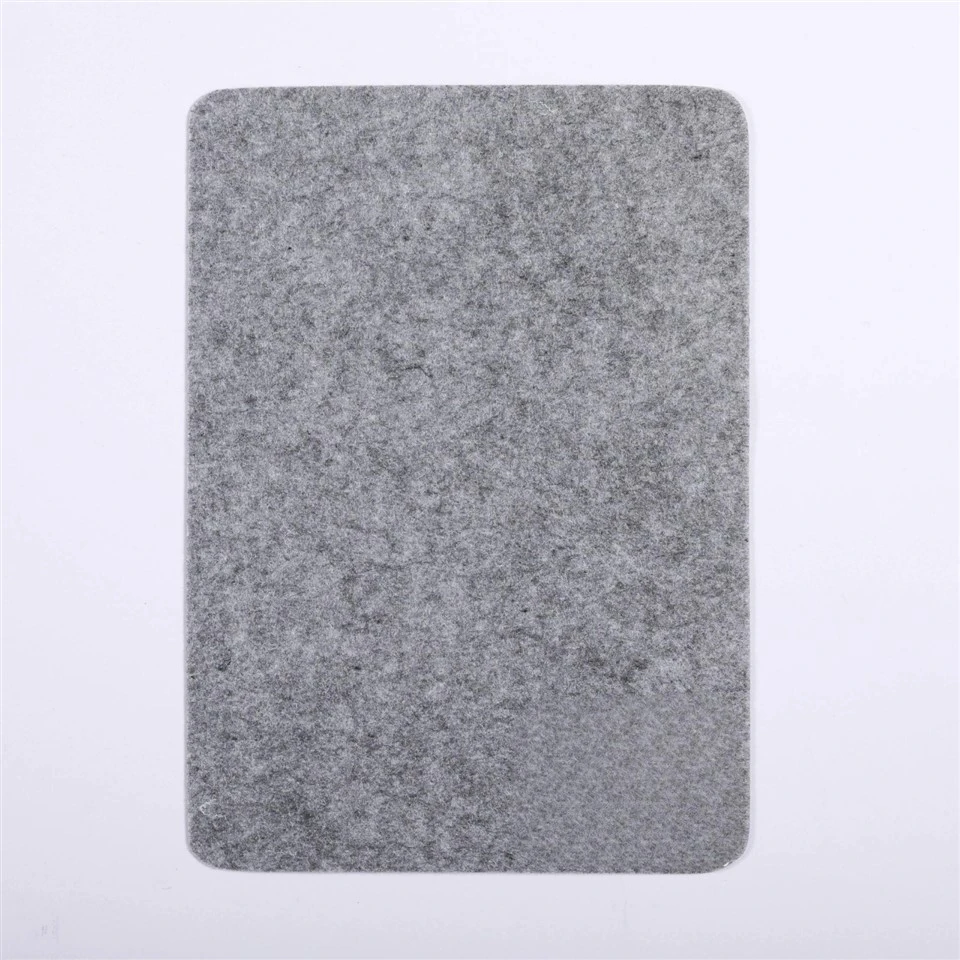
The material composition of insole board paper plays a vital role in how easily it can be glued. For instance, nonwoven insole board paper is made of fibers that are bonded together, which can provide a porous surface for better glue adhesion. On the other hand, some traditional insole board papers may have a smoother surface, which might require a more aggressive glue or a surface treatment to enhance adhesion.
2. Surface Finish
The surface finish of the insole board paper can also impact gluing. A rough or textured surface generally allows for better mechanical interlocking with the glue, resulting in a stronger bond. However, if the surface is too smooth, the glue may not be able to adhere properly, leading to a weaker bond or even delamination over time.
3. Glue Selection
Choosing the right glue is crucial for successful gluing. Different types of insole board paper may require different types of glue. For example, water-based glues are often preferred for their environmental friendliness and ease of use, but they may not provide as strong a bond as solvent-based glues in some cases. It's important to consider the specific requirements of the insole board paper and the footwear application when selecting a glue.
4. Application Method
The method of applying the glue can also affect the quality of the bond. Proper application techniques, such as ensuring an even distribution of the glue and applying the right amount, are essential for achieving a strong and durable bond. Additionally, factors like temperature and humidity during the gluing process can also influence the drying time and adhesion strength of the glue.
Our Experience with Gluing Insole Board Paper
Over the years, we've worked closely with many footwear manufacturers to ensure that our insole board paper can be glued easily and effectively. We've conducted extensive testing to optimize the material composition and surface finish of our products to enhance glue adhesion. We also provide technical support to our customers, helping them select the right glue and application method for their specific needs.
In our experience, most of our insole board papers can be glued relatively easily when the right conditions are met. For example, our nonwoven insole board papers have a porous surface that allows for excellent glue penetration, resulting in a strong and durable bond. We've also developed special surface treatments for some of our products to further improve glue adhesion on smoother surfaces.
Tips for Successful Gluing
1. Surface Preparation
Before gluing, it's important to clean the surface of the insole board paper to remove any dirt, dust, or oils that could interfere with the glue adhesion. A simple wipe with a clean cloth or a mild solvent can often do the trick.
2. Glue Selection and Testing
As mentioned earlier, choosing the right glue is crucial. It's recommended to conduct small-scale tests with different glues on a sample of the insole board paper to determine the best option for your specific application. This can help you avoid potential issues and ensure a strong and durable bond.
3. Application Technique
When applying the glue, make sure to follow the manufacturer's instructions carefully. Use a suitable applicator, such as a brush or a roller, to ensure an even distribution of the glue. Apply the glue in a thin, consistent layer and avoid over-applying, as this can lead to longer drying times and potential bonding issues.
4. Drying and Curing
Proper drying and curing are essential for achieving a strong bond. Make sure to allow sufficient time for the glue to dry and cure according to the manufacturer's recommendations. Avoid subjecting the glued insole board paper to excessive stress or movement during the drying and curing process.
Conclusion
In conclusion, insole board paper can be glued easily when the right factors are considered. The material composition, surface finish, glue selection, and application method all play important roles in ensuring a strong and durable bond. As a supplier of insole board paper, we're committed to providing high-quality products that can be glued easily and effectively. We also offer technical support and guidance to our customers to help them achieve the best results in their footwear manufacturing processes.

If you're interested in learning more about our insole board paper products or have any questions regarding gluing, please don't hesitate to contact us. We're always happy to assist you and discuss your specific requirements. Whether you're a small-scale shoemaker or a large footwear manufacturer, we're confident that our insole board paper can meet your needs and help you create high-quality footwear.
References
- "Footwear Manufacturing Technology" by XYZ Publishing
- "Adhesion Science and Engineering" by ABC Publications